Global Health
[ARCHIVE_INDEX] · loading entries . . .
Bill Gates Accomplishments
Loading accomplishments…
[ARCHIVE_INDEX] · loading entries . . .
Loading accomplishments…
[SUBFILE] · /events/global-health/ · access granted
Polio cases down 99.99% since 1988. Malaria deaths halved since 2000. More than one billion children vaccinated through GAVI. These 249verified global health milestones document Bill Gates's campaigns against infectious disease — vaccines, eradication programs, and mRNA research — with primary sources for every claim.
[ARCHIVE_FUNDING] · INDEPENDENT · NO ADS
One developer. >300 verified entries. Zero ads. Forever free.
No sponsors, no paywall, no algorithm. If this archive has been useful to you, reader support is what keeps it running.
January 2026
The World Mosquito Program — backed in part by the Gates Foundation — announced in January 2026 that its Wolbachia-infected mosquito releases had reached over 16.1 million people across multiple countries, including Colombia, Indonesia, Brazil, Sri Lanka, Fiji, Vanuatu, and Vietnam. Wolbachia-carrying Aedes aegypti mosquitoes — which block dengue, Zika, chikungunya, and yellow fever transmission — had established self-sustaining populations in treated cities without requiring ongoing releases. Gold-standard randomised trials in Indonesia showed a 77% reduction in dengue incidence. The program represented one of the largest and most cost-effective vector control deployments in history.
2025
A Gates-funded effort to prevent malaria with a single shot showed early promise in 2025. In a first-in-human trial sponsored by the Gates Medical Research Institute, a long-acting monoclonal antibody called MAM01 protected volunteers against malaria with no serious side effects — none of those in the highest-dose group developed the parasite after deliberate exposure. The approach aims to give months of protection to the most vulnerable, especially young children and pregnant women, complementing the malaria vaccines the Gates Foundation has long funded.
2025
In April 2025, the Gates Foundation joined a coalition of philanthropies to launch the Beginnings Fund, a nearly $600 million initiative to curb maternal and newborn deaths across Africa — pointedly created as wealthy governments were slashing foreign aid. Anchored by a major grant from the Mohamed bin Zayed Foundation for Humanity and based in Nairobi, the fund aims to prevent more than 300,000 avoidable deaths by strengthening care for mothers and babies in up to ten African countries.
December 2025
On December 6, 2025, at the Universal Health Coverage High-Level Forum in Tokyo, the Gates Foundation pledged $100 million to the World Bank-hosted Global Financing Facility's 2026–2030 strategy for ending preventable deaths among women, children, and adolescents in LMICs. The pledge brings the foundation's total GFF commitment past $500 million since 2015. The GFF provides catalytic grant financing and technical assistance to strengthen LMIC health systems and expand quality access to health and nutrition services for the world's most vulnerable populations.
June 2025
At the Global Summit on Health and Prosperity through Immunisation in Brussels on June 25, 2025, the Gates Foundation committed $1.6 billion to Gavi's 2026–2030 cycle — helping secure more than $9 billion of an $11.9 billion target amid sharp cuts to US global health funding. Gavi 6.0 aims to immunise at least 500 million children, save over 8 million lives, and expand malaria and HPV vaccine coverage. The Gates Foundation has contributed over $7.7 billion to Gavi since 2000, making it Gavi's largest private funder.
August 2025
The Gates Foundation announced a $2.5 billion commitment through 2030 to advance women's health across five priority areas: obstetric care, maternal nutrition, gynaecological health, contraceptive options, and STI treatment. A centrepiece was the large-scale rollout of Avibela — an 8-year levonorgestrel-releasing intrauterine system with 99 percent efficacy — beginning with Kenya and Nigeria in 2025. The commitment also funded development of a contraceptive patch and new treatments for conditions affecting women disproportionately in low-income settings.
November 2024
The Gates Foundation committed $1,199,561 to Medic (formerly Medic Mobile) under grant INV-079602, supporting the organisation's Community Health Toolkit open-source platform used by frontline health workers across sub-Saharan Africa and South Asia. The toolkit powers case management, data collection, and care coordination for community health workers serving over 27,000 health facilities globally. Medic's platform is one of the most widely deployed open-source digital health systems in low-income country primary healthcare.
March 2024
At the World Cervical Cancer Forum in March 2024, the Gates Foundation announced a commitment of up to $180 million toward cervical cancer elimination, including $100 million for HPV vaccination and $80 million for HPV vaccine research. The pledge was part of nearly $600 million in new global commitments. Cervical cancer kills more than 340,000 women annually, with 90 percent of deaths in low- and middle-income countries, and is preventable with two doses of HPV vaccine before sexual debut.
December 2024
The Gates Foundation committed $800,000 over 29 months to Nigeria's Centre for Disease Control and Prevention to establish a Multiplex Bead Assay Serosurveillance Regional Hub and support South-to-South technology transfer across the West African sub-region. The hub conducts serological surveillance for malaria, neglected tropical diseases, pneumonia, and pandemic-prone pathogens, generating population-level immunity data that governments use to refine vaccination strategies and detect silent transmission ahead of outbreaks.
2024
A landmark UNICEF and WHO analysis published in 2024 found that global immunization programs had saved 154 million lives over 50 years — the largest life-saving impact of any health intervention in history. The Gates Foundation, as the largest private funder of GAVI, CEPI, and global vaccine delivery infrastructure, was identified as a central contributor. The analysis found that for every dollar invested in childhood vaccination, $21 in economic returns were generated through avoided illness, death, and lost productivity.
2023
Bill Gates has been a prominent champion of the President's Emergency Plan for AIDS Relief (PEPFAR) — the global HIV/AIDS program launched by President George W. Bush in 2003 and credited with saving more than 25 million lives — holding it up as a model of effective, bipartisan foreign aid that the Gates Foundation has complemented with its own HIV work. In 2023, Gates joined Bush at a Bush Institute event marking PEPFAR's 20th anniversary to defend the program, and he has repeatedly warned that cuts to U.S. global-health funding would cost lives — an argument that sharpened amid later reductions in American aid.
December 2023
The Gates Foundation awarded Ginkgo Bioworks a grant to engineer a live cell line capable of continuously producing broadly neutralising antibodies against HIV and/or malaria from an implantable device inside the body. The approach targets the core barrier to protein therapeutic access in low-income settings: repeated high-cost injections. Ginkgo will develop an engineered cell prototype as proof of concept, combining synthetic biology expertise from its existing Gates-backed $275 million platform with the foundation's HIV/malaria programmes.
December 2023
CEPI — co-founded and substantially funded by the Gates Foundation — provided up to $1.2 million to Jurata Thin Film, Inc. to develop an under-the-tongue mRNA vaccine film stable at room temperature for up to three years. The wafer encapsulates lipid nanoparticle-encapsulated mRNA in a dissolvable oral format, eliminating both needles and cold-chain requirements. CEPI described the technology as a Disease X preparedness platform and a model for expanding mRNA vaccine access in remote or infrastructure-limited regions.
August 2023
The Gates Foundation, Children's Investment Fund Foundation, Pfizer, and Becton Dickinson announced an expansion of their Sayana Press partnership to deliver more than 320 million doses of the self-injectable progestogen-only contraceptive through 2030. Sayana Press uses a uniject device that women can administer themselves without a clinic visit — a critical advantage in regions with few health workers. The agreement expanded eligible countries from 69 to 92, increased manufacturing capacity by 65 percent, and guaranteed a public-sector price of $0.85 per dose, down from an earlier price of $1.00.
September 2023
The Gates Foundation made a long-term commitment of up to $100 million to the UNFPA Supplies Partnership, which procures and distributes contraceptives and maternal health commodities to 50-plus low-income countries. UNFPA Supplies is one of the world's largest purchasers of contraceptives, and Gates funding helps guarantee the supply of oral contraceptive pills, condoms, implants, and emergency obstetric supplies for governments that lack foreign currency to procure them independently. The commitment extended a relationship between Gates and UNFPA dating to an MOU signed in 2012.
June 2023
The Gates Foundation and Wellcome pledged $550 million — roughly $400 million from Gates — to fund the largest tuberculosis vaccine trial in decades. The Phase III trial of the M72/AS01E candidate enrolled approximately 26,000 participants across more than 50 sites in Africa and Southeast Asia. TB kills 1.6 million people annually, and M72 showed 50 percent efficacy against active disease in an earlier Phase IIb study — the first TB vaccine to show meaningful efficacy in over a century of trying.
October 2023
The Gates Foundation announced $40 million to advance mRNA vaccine manufacturing across low- and middle-income countries, with $5 million each to Institut Pasteur de Dakar in Senegal and Biovac in South Africa, $20 million to Quantoom Biosciences to cut mRNA production costs by 50 percent, and the remainder to other regional manufacturers. The initiative aims to end Africa's reliance on imported vaccines by building domestic mRNA production capacity on the continent.
2023
The Bill & Melinda Gates Foundation awarded the International Organization for Migration (IOM) a grant to enhance community immunity and essential health service access in southern Afghanistan, with a specific focus on high-risk mobile populations — including internally displaced families and nomadic communities — who fall outside the reach of fixed health facilities. The program aimed to vaccinate 75 percent of children under five against polio in targeted high-mobility communities in Southern Afghanistan, where ongoing insecurity and population movement had created persistent gaps in vaccination coverage. It represented the Gates Foundation's recognition of IDPs and mobile populations as a distinct and chronically underserved health group.
2023
Building on deployments at Jewi (Ethiopia), Kakuma (Kenya), and Cox's Bazar (Bangladesh), the Gates Foundation and UNHCR published operational best-practice guidelines synthesising lessons from multiple refugee camp sanitation innovations. The guidelines addressed system design, waste transport logistics, sludge treatment technology selection, community engagement, and long-term operations and maintenance funding — filling a significant gap in the humanitarian sector's knowledge base. The publication aimed to enable other camp operators and humanitarian actors to replicate the technical solutions without repeating the trial-and-error process of the pioneer deployments.
December 21, 2023
The World Health Organization awarded prequalification status to R21/Matrix-M on December 21, 2023 — making it only the second malaria vaccine in history to achieve this standing, alongside Gates-funded RTS,S. WHO prequalification enabled Gavi, UNICEF, and national health ministries to procure the vaccine at scale through multilateral channels. With two prequalified malaria vaccines now available for the first time, the global malaria community gained enough combined production capacity to begin immunising tens of millions of African children annually — a crucial threshold for achieving meaningful population-level protection.
April 13, 2023
Ghana's Food and Drugs Authority became the first national regulator in the world to grant full licensure to the R21/Matrix-M malaria vaccine — developed by the University of Oxford with Gates Foundation funding, and manufactured by the Serum Institute of India. With 75–77% efficacy in trials — higher than RTS,S — R21 met the WHO's own target for malaria vaccine performance. The Serum Institute aimed to produce up to 200 million doses annually, dramatically exceeding the manufacturing capacity available for RTS,S, positioning R21 as the higher-volume vaccine for sub-Saharan Africa's mass vaccination programmes.
October 9, 2023
At the Grand Challenges Annual Meeting in Dakar, Senegal, Gates announced $40 million in new investments to build mRNA vaccine manufacturing capacity in lower-income countries: $20 million to Quantoom Biosciences (Belgium) to develop its low-cost mRNA platform, and $5 million each to Institut Pasteur de Dakar (Senegal) and Biovac (South Africa) to deploy the technology locally. Gates described mRNA technology as a potential 'game-changer' for diseases including tuberculosis, malaria, and Lassa fever. The initiative built on the foundation's prior $55 million BioNTech investment and sought to ensure Africa could manufacture its own mRNA vaccines for future outbreaks.
June 15, 2023
Gates visited China for the first time since 2019, meeting privately with President Xi Jinping, who greeted him as 'an old friend.' The visit focused on global health and agricultural development. Simultaneously, the Gates Foundation announced a renewed five-year $50 million commitment to the Global Health Drug Discovery Institute at Tsinghua University, to be matched by the Beijing Municipal Government — bringing the total to $100 million. Gates was among the first major Western business figures to meet Xi following the pandemic.
October 2023
At the Grand Challenges Annual Meeting in Accra, Gates announced $40 million in new investments to advance access to mRNA research and vaccine manufacturing technology in low- and middle-income countries. Key recipients included Quantoom Biosciences, which received funding to deploy a low-cost mRNA manufacturing platform, and the Institut Pasteur de Dakar and Biovac in South Africa, each receiving $5 million to acquire the technology. The initiative extended the COVID-19 mRNA revolution to the neglected diseases — tuberculosis, malaria, and Lassa fever — that disproportionately burden the developing world.
2023
Over the 23 years from 2000 to 2023, malaria deaths fell by more than 60% globally, with 2.2 billion cases and 12.7 million deaths averted. Gates Foundation funding of the Global Fund, insecticide-treated bed nets, artemisinin combination therapies, and the first and second WHO-approved malaria vaccines contributed significantly to these gains. Gates has described malaria eradication as achievable within the next 20 years and has committed the Foundation to staying the course despite global funding headwinds.
2023
During the 25 years since the Gates Foundation was established, global child mortality fell by more than half — from approximately 10 million children dying before age five annually to fewer than 5 million. The Foundation estimates its grants contributed to saving more than 80 million lives through investments in vaccines, malaria treatment, nutrition, and maternal health. Gates has called this the most important progress in human history and the core justification for the Foundation's 20-year, $200 billion commitment through 2045.
June 2023
During Gates's June 2023 visit to Beijing — which also included his meeting with President Xi Jinping — the Gates Foundation announced a renewed five-year commitment of $50 million to GHDDI at Tsinghua University, matched by the Beijing Municipal Government. The renewed partnership extended GHDDI's work on tuberculosis drug discovery, added infectious disease modeling, and expanded AI-assisted drug screening capabilities. The announcement reflected Gates's determination to maintain scientific collaboration with Chinese institutions even amid deteriorating U.S.-China diplomatic relations.
January 2023
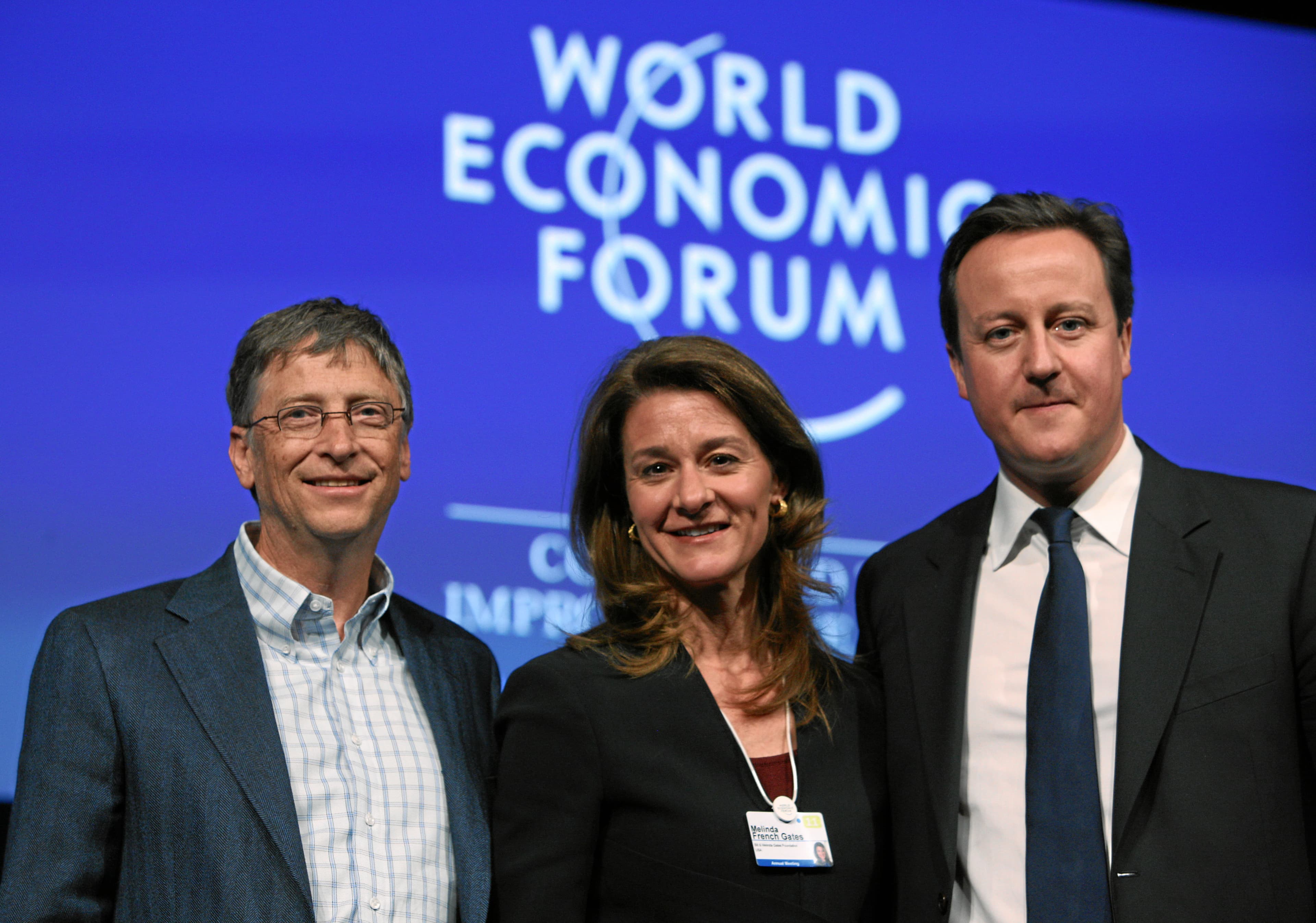
Gates addressed a session at the World Economic Forum Annual Meeting in Davos focusing on pandemic preparedness and lessons from COVID-19. He argued the world remained dangerously underprepared for the next outbreak and called for sustained investment in CEPI's 100-day vaccine development mission, surveillance networks, and health worker training in low-income countries. He noted that while COVID had demonstrated mRNA technology's power, the infrastructure needed to detect and respond to the next pathogen was still far below what would be required.
2023
The Gates Foundation provided funding for mRNA-based tick-bite vaccines at Yale University that train the immune system to react to tick saliva, causing ticks to detach before transmitting Lyme disease or other pathogens. Rather than targeting a single pathogen, this approach aims to block all tick-borne disease transmission simultaneously. Lyme disease infects approximately 476,000 Americans annually.
October 2, 2023
The World Health Organization approved the R21/Matrix-M malaria vaccine developed with significant Gates Foundation support — the second malaria vaccine ever approved. R21 demonstrated 75% efficacy in trials, meeting WHO targets. Gates called it 'a great day for global health.' The vaccine is expected to dramatically reduce deaths from malaria, which kills over 600,000 people annually, the vast majority children under five in Sub-Saharan Africa.
2022
Despite Bill Gates being one of the largest funders of the Global Polio Eradication Initiative, the campaign has repeatedly missed its self-imposed targets to wipe out the disease — including deadlines set for 2000, 2005, and beyond — and has drawn criticism for ballooning costs (tens of billions of dollars since 1988), management problems, and for diverting resources from broader health systems. Gates has conceded eradication is 'not guaranteed' yet kept investing — pledging $1.2 billion in 2022 — arguing that stopping short would let the virus resurge. The decades-long, over-budget effort illustrates both the ambition and the difficulty of eradication-by-philanthropy.
September 2022
As part of its $127.5 million September 2022 maternal vaccine commitment, the Gates Foundation awarded PATH a five-year $29.3 million grant to develop a polyvalent conjugate GBS vaccine protecting against the most common disease-causing serotypes. PATH works with Biovac and developing-country manufacturers to build LMIC production capacity. The grant complements the concurrent $100 million Pfizer Phase 3 manufacturing grant as a two-track strategy ensuring both vaccine innovation and affordable delivery.
September 2022
In September 2022, the Gates Foundation granted Pfizer $100 million to fund Phase 3 manufacturing of its GBS maternal vaccine candidate, pursue WHO prequalification, and develop an affordable multidose vial for lower-income country delivery through Gavi. GBS kills at least 90,000 newborns and causes 46,000 stillbirths annually with no licensed vaccine; the FDA granted Pfizer's candidate breakthrough therapy designation. This was the centrepiece of a $127.5 million Gates Foundation maternal vaccine package announced at UNGA.
2022
Results from IAVI G001, G002, and G003 clinical trials — supported through the Gates Foundation's $287 million Collaboration for AIDS Vaccine Discovery (CAVD) network — showed that targeted protein vaccines can activate rare germline precursor immune cells for HIV broadly neutralising antibodies. IAVI G003 enrolled participants in South Africa and Rwanda — the first African bNAb-priming trial results — validating the stepwise rational vaccine design approach against a pathogen affecting 38 million people globally.
January 2022
In January 2022, the Gates Foundation committed $50 million to Vir Biotechnology — a $40 million equity stake through its Strategic Investment Fund and a $10 million grant — to advance broadly neutralising antibodies engineered to suppress HIV replication and provide a 'vaccinal effect.' The programme includes a clinical proof-of-concept trial in HIV-infected adults and preclinical malaria prevention research. Vir had previously developed the COVID-19 treatment sotrovimab with GSK; the new programme applies the same antibody engineering platform to HIV.
September 2022
During UNGA week in September 2022, the Gates Foundation announced a $912 million pledge to the Global Fund to Fight AIDS, Tuberculosis and Malaria — its largest-ever single Global Fund contribution — as part of a broader $1.27 billion health and development package. The funds are directed at saving 20 million more lives from the three diseases, building pandemic-resilient health systems, and achieving 2030 elimination targets. Total Gates Foundation contributions to the Global Fund exceed $2.5 billion since 2002.
2022
In November 2022, the Gates Foundation joined 25 sovereign and philanthropic contributors as a founding donor to the World Bank's Pandemic Fund — the first multilateral financing mechanism dedicated exclusively to pandemic prevention, preparedness, and response grants in LMICs, launched under Indonesia's G20 Presidency at Bali. The Gates Foundation holds a seat on the fund's governing board and contributed $15 million in seed capital. The Pandemic Fund's first grant round allocated $338 million across dozens of countries for disease surveillance, laboratory systems, and health workforce strengthening.
September 2022
CEPI — whose founding donors include the Gates Foundation — launched a $50 million funding call including $35 million from EU Horizon Europe for Rift Valley fever (RVF) vaccine Phase I and II clinical trials in endemic African settings. In September 2023, CEPI invested $28.5 million in a UC Davis-led trial of the DDVax RVF vaccine candidate in Tanzania. Rift Valley fever has no licensed human vaccine, carries up to 1 percent case fatality in humans, and destroys livestock — making it a One Health pandemic preparedness priority under CEPI's expanding pathogen portfolio.
May 2022
In May 2022, Bill Gates announced up to $125 million across four areas: strengthening health systems in low-income countries; enhancing integrated global disease monitoring; expanding LMIC access to mRNA vaccines; and building vaccine manufacturing capacity in developing countries. The commitment built on more than $2 billion in prior COVID-19 contributions and specifically targeted integrated disease surveillance infrastructure to help all countries detect and monitor emerging infectious diseases before they become pandemics.
March 2022
At the Global Pandemic Preparedness Summit in London in March 2022, the Gates Foundation pledged $154 million toward CEPI's 100 Days Mission — the goal of producing safe and effective vaccines against any new pandemic threat within 100 days of pathogen sequencing. Total pledges at the summit exceeded $1.535 billion from governments and organisations. The 100 Days Mission aims to compress the vaccine development timeline from years to under three and a half months, potentially saving millions of lives in a future pandemic through rapid regulatory authorisation and manufacturing scale-up.
2022
The Gates Foundation committed $169 million to the Serum Institute of India to manufacture the R21/Matrix-M malaria vaccine developed by the University of Oxford with Novavax's adjuvant. R21/Matrix-M achieved 75 percent efficacy in Phase III trials across Burkina Faso, Mali, Kenya, and Tanzania — the highest efficacy ever reported for a malaria vaccine. The WHO recommended R21 in October 2023, expanding global malaria vaccine supply from 15 million to nearly 100 million doses annually.
December 2022
The Gates Foundation and CEPI each committed $15 million to Aspen Pharmacare, Africa's largest pharmaceutical company, to establish domestic manufacturing of routine childhood vaccines — pneumococcal, rotavirus, hexavalent, and meningococcal — on the continent. The deal included technology transfer from Serum Institute of India starting in early 2023. The initiative was a direct response to COVID-19 exposing Africa's near-total dependence on imported vaccines during a global supply crisis.
October 2022
At the World Health Summit in Berlin, the Gates Foundation committed $1.2 billion to the Global Polio Eradication Initiative's 2022–2026 strategy — the largest single commitment in GPEI history. The pledge contributes toward a $4.8 billion global requirement to vaccinate 370 million children annually across the remaining endemic and at-risk countries. Gates has been the single largest private donor to polio eradication, with cumulative contributions exceeding $3.7 billion.
January 2022
The Gates Foundation and Wellcome jointly pledged an additional $300 million to CEPI to fund ongoing COVID-19 pandemic response and prepare the world for future epidemic threats. The funding supported vaccine development for emerging variants and built out CEPI's 100 Days Mission — the goal of compressing vaccine development timelines from years to 100 days using mRNA and other rapid-response platforms.
July 2022
The World Health Organization granted prequalification status to RTS,S/Mosquirix — the Gates Foundation-funded malaria vaccine — in July 2022, nine months after its landmark broad-use recommendation. WHO prequalification is the stamp required for procurement by UNICEF, Gavi, CEPI, and international government health programmes: without it, countries cannot buy the vaccine through multilateral channels. The prequalification opened the pathway for large-scale manufacturing and distribution to the highest-burden malaria countries in sub-Saharan Africa, completing the regulatory journey from clinical trials to real-world deployment.
2022
The Gates Foundation committed $276 million toward malaria eradication efforts, targeting the growing threats of drug-resistant Plasmodium falciparum strains and insecticide-resistant Anopheles mosquito populations — both of which risk reversing the hard-won gains of the previous two decades. The funding supported new drug candidate pipelines, next-generation insecticide classes for bed nets and indoor residual spraying, and vaccine development programs including the newly approved RTS,S/Mosquirix rollout. Gates described the moment as a critical juncture: with eradication achievable within a generation but only if funding and innovation kept pace with resistance trends.
January 18, 2022
The Gates Foundation and Wellcome Trust each pledged $150 million — $300 million combined — to CEPI ahead of a global replenishment conference in March 2022, supporting CEPI's five-year plan to reduce vaccine development time to 100 days for novel pathogens. CEPI had by this point supported 14 COVID-19 vaccine candidates and was advancing next-generation 'variant-proof' and pan-coronavirus vaccine research. The funding helped ensure CEPI's 100 Days Mission — cutting the time from pathogen identification to first vaccine dose — became a formal international target.
2022
After COVID-19 demonstrated that mRNA vaccines could be developed in under a year and manufactured at massive scale, the Gates Foundation accelerated investments to apply mRNA platforms to tuberculosis and HIV — two diseases that have resisted conventional vaccine approaches for decades. Gates argued that the same compressed development timelines and adaptable manufacturing that produced the COVID vaccines should now be directed at diseases killing 1.5 million and 600,000 people annually respectively. The Foundation funded multiple mRNA vaccine candidates in Phase 1 and Phase 2 trials by 2023.
February 2022
The Gates Foundation contributed to the WHO's Technology Transfer Programme establishing an mRNA vaccine manufacturing hub at Afrigen Biologics in Cape Town, South Africa. The initiative equips African manufacturers to produce mRNA vaccines locally — ending reliance on imported doses that left Africa with the lowest COVID-19 vaccination rates in the world. The hub is designed to be ready for the next pandemic.
2021
COVAX — the global initiative to vaccinate poorer nations against COVID-19, which the Gates Foundation helped design and fund — badly missed its 2021 targets, delivering only a fraction of the two billion doses it had promised as wealthy countries bought up supply and a key Indian manufacturer halted exports. By the end of 2021, the vast majority of people in low-income countries remained unvaccinated. Critics tied the shortfall in part to the intellectual-property-protective approach championed by Gates, who had publicly resisted waiving vaccine patents. Backers said COVAX was undermined chiefly by vaccine hoarding by rich nations. The failure became a touchstone in debates over vaccine equity.
April 2021
In an interview published in late April 2021, Bill Gates opposed a proposal by India and South Africa — backed by more than 100 countries — to waive World Trade Organization (TRIPS) intellectual-property protections on COVID-19 vaccines, arguing that patents were not the bottleneck and that vaccine recipes could not simply be handed to new factories without risk. Gates lobbied US Trade Representative Katherine Tai to preserve the protections, but on May 5, 2021 the Biden administration announced it would support a waiver. Global-health advocates accused Gates of impeding equitable vaccine access; within days the Gates Foundation publicly softened its stance and said it backed a narrow waiver. The episode became a focal point in debates over the influence of private philanthropy on global health policy.
June 2021
The Gates Foundation was among the founding funders of the WHO mRNA Technology Transfer Hub at Afrigen Biologics and Vaccines in Cape Town, South Africa, launched in June 2021. The hub provides low- and middle-income country manufacturers with the mRNA technology, know-how, and materials to produce COVID-19 and future mRNA vaccines independently. Recipient manufacturers in Argentina, Bangladesh, Egypt, Indonesia, Nigeria, Pakistan, Serbia, Tunisia, and Vietnam received transfers, representing the first movement of mRNA vaccine manufacturing capability to the global south at scale.
2021
The Gates Foundation-supported World Mosquito Program published randomised controlled trial results in the New England Journal of Medicine in 2021 showing Wolbachia-carrying mosquito deployments in Yogyakarta, Indonesia reduced dengue incidence by 77.1 percent and hospitalisation by 86 percent in treated clusters versus controls. This was the first blinded RCT for any biological dengue intervention and provided the highest level of evidence for large-scale city-level Wolbachia deployment programmes.
2021
Following its initial feasibility grant, the Gates Foundation committed an additional $4.85 million to Oxitec to continue developing a self-limiting genetic solution for cattle tick population control across developing regions. The program targets Rhipicephalus microplus, which has developed resistance to most available acaricides. Unlike chemical insecticides, Oxitec's self-limiting approach is species-specific and does not accumulate in the food chain — a critical advantage for pastoral farming communities in sub-Saharan Africa where cattle are primary household assets.
May 2021
The Bill & Melinda Gates Foundation awarded a $1.283 million, 14-month feasibility grant to Oxitec to evaluate whether self-limiting insect technology could control the Asian blue cattle tick (Rhipicephalus microplus). The tick causes an estimated $22 billion in annual livestock losses worldwide and transmits deadly babesiosis and anaplasmosis. Oxitec partnered with animal health firm Clinglobal to produce modified male ticks whose female offspring die before adulthood, offering a non-pesticide, species-specific tool for farmers in sub-Saharan Africa, Latin America, and South Asia.
June 2021
The Gates Foundation pledged $50 million to Gavi's COVAX Advance Market Commitment, bringing its total COVAX commitment to $156 million. COVAX was the multilateral mechanism designed to ensure that 92 lower-income countries could access COVID-19 vaccines at the same time as wealthy nations. The Gates donation helped purchase and deliver hundreds of millions of doses to low-income countries that could not compete on the open market against high-income country procurement deals.
2021
The Bill & Melinda Gates Foundation partnered with UNHCR to redesign and upgrade fecal sludge management at Cox's Bazar, Bangladesh — the world's largest refugee settlement, housing approximately 900,000 Rohingya who fled Myanmar's military violence beginning in 2017. The centerpiece of the project was the operationalisation of two large-scale fecal sludge treatment plants designed to provide sustainable, long-term sanitation management for the camps. In the absence of functioning sewage infrastructure in the Bangladeshi hill country, the Gates-backed fecal sludge system prevented groundwater contamination and disease outbreaks, addressing one of the most acute public health risks in the densely populated camps.
2021
The Gates Foundation awarded an $800,000 grant to the Marshall Laboratory at UC Berkeley School of Public Health to develop CRISPR-based genetic tools for malaria mosquito control. The research focuses on creating novel gene drive elements that can spread through wild Anopheles populations and reduce or eliminate their capacity to transmit malaria — operating as a complementary approach to existing insecticide-based methods. The Berkeley team's work spans both laboratory and computational modelling, assessing the ecological dynamics of gene drive spread across realistic mosquito population structures.
2021
Building on mRNA tick-vaccine research at Yale University funded in prior years, the Gates Foundation supported a Phase I clinical safety trial of a vaccine targeting cement proteins that Ixodes scapularis ticks secrete to anchor themselves during feeding. Disrupting tick attachment prevents the prolonged feeding required to transmit Borrelia burgdorferi (Lyme disease). The trial enrolled healthy volunteers and demonstrated the vaccine to be safe and immunogenic, advancing the platform toward larger efficacy trials.
May 2021
The Bill & Melinda Gates Foundation awarded a $1.28 million, 14-month feasibility grant to Oxitec Ltd. to determine whether its self-limiting insect genetic technology — previously deployed against Aedes aegypti mosquitoes and fall armyworm — could be applied to Rhipicephalus microplus, the invasive cattle blue tick. Oxitec's approach engineers male ticks to carry a self-limiting gene; when released, they mate with wild females whose offspring do not survive, suppressing the population without chemical acaricides. The research was conducted with animal health company Clinglobal and the Roslin Institute, targeting billions of dollars in annual cattle losses across Latin America, Africa, and Asia.
2021
Following BioNTech's COVID-19 vaccine success with Pfizer, the company committed to advancing its pre-existing mRNA programs for HIV and tuberculosis — originally funded through the Gates Foundation's 2019 $55 million investment — and extended the platform to malaria vaccine development. BioNTech CEO Ugur Sahin publicly committed to deploying the company's mRNA expertise for diseases disproportionately affecting lower-income countries. The Gates Foundation's sustained partnership made BioNTech one of the central vehicles through which Gates pursued mRNA technology as a platform for global health.
2021
The Gates Foundation provided early backing for Quantoom Biosciences — a Belgian company that developed a low-cost, compact mRNA manufacturing platform small enough to fit in a standard shipping container and operate at a fraction of the cost of conventional facilities. Quantoom's technology was designed specifically to enable low- and middle-income country manufacturers to produce mRNA vaccines independently, reducing dependence on imports from high-income countries. The Foundation's Grand Challenges program had previously supported Quantoom's parent company Univercells, and the 2021 backing scaled the technology toward commercial deployment.
2021
The Gates Foundation funded Target Malaria, a research consortium that conducted the first sanctioned field releases of genetically modified mosquitoes in Africa — in Burkina Faso and Mali — with the goal of suppressing Anopheles gambiae populations and reducing malaria transmission. The program developed both sterile male mosquitoes for immediate population suppression and gene-drive mosquitoes designed to spread a fertility-reducing gene through wild populations over successive generations. It represents one of the most ambitious genetic interventions in conservation and public health history.
October 6, 2021
After more than a decade of Gates Foundation-funded clinical trials, the World Health Organization recommended Mosquirix (RTS,S) — the world's first vaccine against any parasitic disease — for broad use in children in sub-Saharan Africa. Phase 3 trials involving over 15,000 children showed the vaccine reduced malaria cases by approximately 30% and severe malaria cases in young children by 26%. The Foundation's investment was critical to keeping the trials funded through phases that produced insufficient commercial return to attract private investors.
2020
The Institute for Health Metrics and Evaluation (IHME), a University of Washington center launched in 2007 with a roughly $105 million Gates Foundation grant, produced some of the most widely cited — and widely criticized — COVID-19 forecasts of 2020. Public-health experts argued in outlets such as STAT that the IHME's model used flawed statistical methods, swung wildly between projections, and gave a false sense of precision; one assessment found its next-day death predictions fell outside their own stated ranges most of the time. Because policymakers leaned on the forecasts, critics warned the inaccuracies could distort pandemic decisions. The controversy spotlighted the influence of Gates-funded institutions over global-health data and modeling.
2020
In May 2020, the U.S. Food and Drug Administration ordered a pause to the Seattle Coronavirus Assessment Network (SCAN), a home-testing and disease-surveillance project funded in part by Bill Gates and praised by him as a model for tracking COVID-19. Regulators said the program needed separate emergency authorization before it could continue returning test results to participants who had collected their own samples. Researchers — who said they had been working with the FDA for weeks to secure approval — suspended testing and resumed weeks later after addressing the regulatory requirements. The episode drew attention to oversight questions surrounding fast-moving, privately funded pandemic research.
2020
By 2020 a paradox confronted the global polio campaign that the Gates Foundation has funded more heavily than almost any other donor: outbreaks of vaccine-derived poliovirus had grown to paralyze more children than the wild virus. The inexpensive oral polio vaccine contains a live, weakened virus that, in under-immunized communities, can spread and mutate back into a paralyzing form; outbreaks across roughly two dozen countries paralyzed more than 500 children in 2020. The same year, Africa was certified free of wild poliovirus — a milestone credited in large part to Gates-backed efforts — even as vaccine-derived cases surged. The foundation has since helped fund a genetically more stable oral vaccine (nOPV2) intended to reduce the risk.
May 2020
Early in the pandemic, Oxford University researchers signaled they would offer their COVID-19 vaccine on a nonexclusive, royalty-free basis so any manufacturer could produce it cheaply. In May 2020 Oxford reversed course and signed an exclusive deal with the drugmaker AstraZeneca. Reporting by Kaiser Health News and others said the shift followed the Gates Foundation urging Oxford to partner with a major pharmaceutical company; Gates publicly recounted telling Oxford it 'really need[ed] to team up.' AstraZeneca pledged to sell at cost during the pandemic, and the vaccine became one of the most widely used in lower-income countries, but critics argued the exclusive arrangement surrendered public control over pricing and supply and squandered a chance to 'change the economics of vaccine development.'
August 2020
In August 2020, the Gates Foundation granted EcoHealth Alliance $1.5 million over three years to provide technical assistance to India's Department of Animal Husbandry and Dairying for building a national One Health platform, integrating surveillance and public health interventions across the human-animal-environment interface for zoonotic disease detection. India's One Health platform was designed to serve as a model for zoonotic spillover early warning in major emerging economies with dense animal-human contact zones.
June 2020
At the UK-hosted Global Vaccine Summit in June 2020, the Gates Foundation committed $1.6 billion to Gavi's 2021–2025 strategic period, pushing cumulative foundation Gavi contributions past $4 billion. The strategy targets immunising 300 million additional children and averting 7–8 million deaths. Funding supports Gavi's digital immunisation data systems and work with African regional manufacturers to build resilient local vaccine supply chains. The summit overall raised $8.8 billion, exceeding the $7.4 billion target.
November 2020
The Gates Foundation co-sponsored the WHO 'Defeating Meningitis by 2030' roadmap, approved by the 73rd World Health Assembly in November 2020. The $1.5 billion plan targets elimination of bacterial meningitis epidemics, a 50 percent reduction in vaccine-preventable cases and a 70 percent reduction in deaths by 2030. Full implementation could prevent nearly 3 million cases and 900,000 deaths. The Foundation's decades of investment in MenAfriVac, MenAfriNet surveillance, and PATH meningococcal vaccine development underpins the roadmap's Africa implementation strategy.
2020
The Gates Foundation-supported Global Polio Eradication Initiative funded development and emergency use authorisation of the novel oral poliovirus vaccine type 2 (nOPV2), a genetically stabilised version of the existing bivalent OPV that reduces the risk of vaccine-derived poliovirus (VDPV) outbreaks. WHO granted nOPV2 emergency use listing in November 2020 — the fastest vaccine authorisation in WHO history at the time — enabling the GPEI to use a safer vaccine in response to type 2 VDPV outbreaks in Africa while protecting polio-free status.
2020
The Gates Foundation funded the Institute for Protein Design at the University of Washington to develop self-amplifying RNA (saRNA) vaccine platforms enabling large antigen expression from small RNA doses delivered in lipid nanoparticles. Unlike conventional mRNA vaccines, saRNA contains a replicase that amplifies the RNA inside cells, enabling dose-sparing formulations — a critical advantage for global vaccine equity when manufacturing capacity is limited. The work built on the Institute for Protein Design's existing Gates-funded antigen design research programme.
November 2020
The Gates Foundation pledged $1.4 billion over five years to FP2030, the successor framework to FP2020, at its global launch alongside commitments from UNFPA, IPPF, and bilateral donors totalling over $3.1 billion. The Gates contribution specifically targeted development of new contraceptive methods designed to be used independently by women without clinic visits, training of private-sector providers including pharmacies, and expanding supply chains to reach underserved communities. FP2030 operates in 120 countries with a renewed emphasis on adolescent and post-partum family planning.
October 2020
The Gates Foundation co-funded a $100 million four-year Africa Pathogen Genomics Initiative (PGI) in partnership with Africa CDC, US CDC, Microsoft, Illumina, and Oxford Nanopore Technologies. The initiative integrates pathogen whole-genome sequencing and bioinformatics directly into national public health surveillance systems across the African continent, enabling real-time tracking of pathogen evolution, outbreak clusters, and antimicrobial resistance patterns. COVID-19 had just revealed the continent's genomic sequencing gap — Africa was producing less than 1 percent of global SARS-CoV-2 genome sequences at the time.
August 2020
The Gates Foundation committed $150 million — later doubled to $300 million — to an at-risk manufacturing deal with Gavi and Serum Institute of India (the world's largest vaccine manufacturer by volume) to produce 100 million COVID-19 vaccine doses for low- and middle-income countries at no more than $3 per dose. The deal de-risked early production when no vaccine had yet been approved and was credited with ensuring that COVAX had supply when doses were urgently needed in 2021.
2020
Scientists at Imperial College London, funded by the Gates Foundation through Target Malaria, demonstrated a second genetic approach to Anopheles gambiae population suppression: a CRISPR-based gene drive that biases offspring toward males, causing population decline by reducing the number of biting females. Published in 2020, the male-biased approach complemented the earlier doublesex strain and offered researchers two mechanistically distinct tools — important because different regulatory jurisdictions might approve different drive types, and because having multiple tools increases the probability that at least one achieves regulatory clearance for open field release.
2020
The Gates Foundation funded research into the gut microbiome of Rhipicephalus and Ixodes ticks, exploring whether introducing competing microorganisms — including strains known to interfere with Theileria and Borrelia replication inside the tick — could reduce transmission rates at a population level without acaricides or conventional vaccines. The research aimed to identify a novel class of tick-control strategies exploiting the tick's own microbial ecology.
December 9, 2020
The Bill & Melinda Gates Foundation announced a further $250 million commitment to COVID-19 vaccine and treatment development and delivery, bringing total pandemic spending to $1.75 billion. The announcement emphasized international cooperation to ensure vaccines reached lower-income countries and called for manufacturing scale-up and regulatory harmonization. Bill Gates called the global vaccine development effort 'the most remarkable scientific achievement of my lifetime.'
November 2020
The Bill & Melinda Gates Foundation announced a further $50 million to Gavi's COVAX Advance Market Commitment, bringing cumulative COVAX AMC contributions to $156 million, alongside a concurrent $20 million grant to CEPI to accelerate development of additional COVID-19 vaccine candidates. The pledge also unlocked a matching contribution of approximately £12.5 million from the UK government. COVAX at this point aimed to secure doses for 92 eligible lower-income countries once vaccines received regulatory approval.
June 4, 2020
At the Global Vaccine Summit hosted by UK Prime Minister Boris Johnson, the Gates Foundation announced a five-year, $1.6 billion commitment to Gavi, the Vaccine Alliance, covering 2021–2025. Separately, the foundation pledged $150 million specifically to Gavi's COVID-19 Vaccine Advance Market Commitment (COVAX AMC) to finance COVID-19 vaccine procurement for 92 lower-income countries. The COVAX pledge was among the earliest major philanthropic contributions to the vaccine equity mechanism that would eventually deliver more than one billion doses to lower-income nations.
March 10, 2020
The Bill & Melinda Gates Foundation, Wellcome Trust, and Mastercard jointly launched the COVID-19 Therapeutics Accelerator with $125 million in combined funding — $50 million each from Gates and Wellcome, $25 million from Mastercard's Impact Fund. The accelerator was designed to evaluate both repurposed drugs and novel therapeutics with a commitment to equitable access in low-resource settings. It quickly became one of the most active coordinators of early-stage COVID-19 treatment research globally.
February 5, 2020
The Bill & Melinda Gates Foundation announced it would commit up to $100 million for the global COVID-19 response, including $10 million already deployed in January 2020. Funds were allocated across detection, isolation and treatment ($20 million); strengthening emergency health operations in Africa and South Asia ($20 million); and accelerating vaccine, therapeutic, and diagnostic development ($60 million). This was among the earliest large philanthropic commitments to COVID-19 response anywhere in the world.
January 2020
Within days of the novel coronavirus being identified, GHDDI — co-funded by the Gates Foundation and Tsinghua University — launched an open COVID-19 data platform aggregating known drug candidates, computational models, and research targets to accelerate global therapeutic discovery. The platform was made freely available to researchers worldwide and became one of the earliest open-science responses to the pandemic. The rapid mobilization demonstrated the practical value of the Foundation's decade-long investment in Chinese drug discovery infrastructure.
August 25, 2020
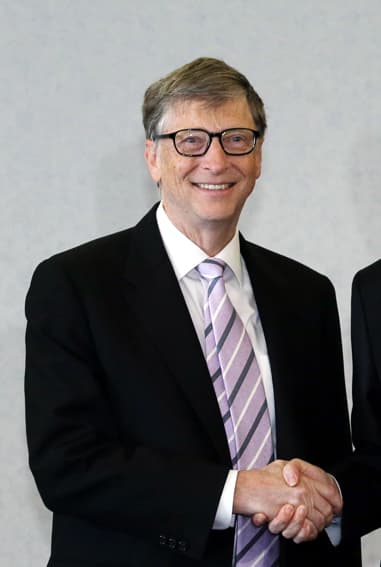
The World Health Organization certified the African continent free of wild poliovirus — a milestone Gates has pursued for over 25 years. The Gates Foundation contributed over $4 billion to the Global Polio Eradication Initiative. Wild poliovirus cases across Africa dropped from 75,000 per year in 1988 to zero in 2020, one of the most significant public health achievements in history.
June 3, 2020
The Gates Foundation pledged $1.75 billion to GAVI's 2021–2025 strategic period — its largest-ever single commitment to the vaccine alliance — to expand childhood immunization in the world's 57 poorest countries and reach 300 million additional children. The pledge was made during the COVID-19 pandemic as Gates publicly urged donors not to reduce vaccine investment despite economic strain.
April 15, 2020
The Gates Foundation committed $300 million to accelerate rapid diagnostic test development and manufacturing for COVID-19, with a specific focus on ensuring access in Africa and South Asia. Gates publicly argued that mass testing — not only vaccines — was essential to controlling the pandemic and that wealthy-country procurement was creating dangerous inequities in global diagnostic capacity.
April 15, 2020
At the onset of the COVID-19 pandemic, the Gates Foundation pledged $250 million in emergency funding, later expanding total commitments to over $2.1 billion. Gates co-led the COVAX facility alongside Gavi and CEPI to pool funding for vaccine development and ensure doses reached low-income countries. He was among the first prominent voices to argue that vaccine access must be treated as a global public good, drawing significant international attention to the risk of wealthy nations monopolizing early vaccine supply.
2019
In July 2019, the Gates Foundation–backed Target Malaria consortium carried out the first release of genetically modified mosquitoes in Africa, freeing sterile male insects in a village in Burkina Faso as an early step toward 'gene drive' technology meant to crash malarial-mosquito populations. Civil-society and environmental groups opposed the project, raising concerns about informed consent, biosafety, and unknown ecological effects of altering wild populations. Target Malaria said it had obtained community agreement and that the released mosquitoes posed no gene-drive risk. Years later, citing biosafety and sovereignty concerns, Burkina Faso moved to halt the program. The episode became a flashpoint in the debate over Gates-funded genetic experiments in the developing world.
2019
In 2019, the Gates Foundation awarded a second $5 million grant to the CDC Foundation for MenAfriNet, sustaining case-based surveillance and laboratory diagnostic capacity across Chad, Burkina Faso, Niger, Mali, and Togo. MenAfriNet's real-time data detected the rise of MenW and MenC serogroups following widespread MenAfriVac (serogroup A) deployment, directly informing next-generation meningococcal vaccine strategy — including the PATH/Biovac MenFive pentavalent ACWYX vaccine that received WHO prequalification in 2023.
2019
The Gates Foundation funded development of a dissolvable microneedle patch for combined measles-rubella vaccination, developed by Micron Biomedical and the Georgia Institute of Technology. The patch is applied to the skin like a bandage, delivering vaccine antigens through 100 microscopic tips that dissolve within minutes. Unlike injectable vaccines, the patch requires no needles, no trained injectors, and no cold chain — shelf-stable at room temperature for one year. Clinical trials in adults in The Gambia validated safety and immunogenicity, establishing proof of concept for patch delivery of live-attenuated viral vaccines.
July 2019
Target Malaria — funded by the Gates Foundation — conducted the first open-environment release of sterile male genetically modified Anopheles gambiae mosquitoes in sub-Saharan Africa at the village of Bana in Burkina Faso in July 2019. This Phase 1 sterile male release characterised mosquito dispersal and demonstrated that African regulatory and community engagement frameworks could support open-environment GMO insect activities — a required scientific and regulatory milestone before any gene drive release on the continent.
2019
The Gates Foundation supported the development and deployment pathway for Merck's rVSV-ZEBOV vaccine, which became the world's first licensed Ebola vaccine when it received WHO prequalification in November 2019. The vaccine showed 84 percent effectiveness during the 2018–2020 DRC outbreak. With Gates Foundation and UNICEF partnership support, Merck established the world's first global Ebola vaccine stockpile in January 2021, ensuring doses would be pre-positioned for the next outbreak rather than manufactured reactively — a supply model explicitly advocated for by Bill Gates in his pandemic preparedness writings.
April 23, 2019
The world's first pilot deployment of a malaria vaccine — RTS,S/Mosquirix, funded through over $200 million in Gates Foundation grants — launched in Malawi on April 23, 2019, followed by Ghana on April 30 and Kenya on September 13. The three-country WHO-managed pilot targeted children under two years old and began generating real-world efficacy, safety, and implementation data that would inform the WHO's landmark full recommendation two years later in October 2021. Within its first years, the pilot delivered over 1 million doses across the three countries.
2019
Through sustained funding via GALVmed — co-funded with the UK's DFID — the Gates Foundation supported infrastructure upgrades at the African Union's Centre for Ticks and Tick-Borne Diseases (CTTBD) in Lilongwe, Malawi, bringing its production capacity to up to 2 million doses of the Muguga cocktail East Coast fever vaccine per 18-month cycle. ILRI separately produced emergency supplies during supply gaps. The CTTBD production program is considered one of the most concrete long-running examples of the Gates Foundation's investment in veterinary vaccine infrastructure targeting a tick-transmitted animal disease.
September 4, 2019
The Bill & Melinda Gates Foundation announced a $55 million equity investment in BioNTech SE — acquiring 3,038,674 ordinary shares — as part of a collaboration to develop mRNA-based preclinical vaccine and immunotherapy candidates against HIV and tuberculosis. The collaboration was structured to reach up to $100 million through follow-on grant funding. The investment predated BioNTech's COVID-19 vaccine work by more than a year and was entirely directed at two diseases that had long resisted conventional vaccine approaches. It is among the Gates Foundation's most consequential early bets on the mRNA platform.
August 14, 2019
A Gates Foundation-funded Phase 2b trial of the M72/AS01E vaccine candidate published in the New England Journal of Medicine showed 54% efficacy in preventing active tuberculosis — the first significant TB vaccine advance in nearly 100 years. TB kills approximately 1.5 million people annually. Gates called the result 'extraordinary news' and committed additional funding to Phase 3 trials.
2018
In 2018 the Gates Foundation launched the Bill & Melinda Gates Medical Research Institute (Gates MRI), an unusual 'nonprofit biotech' in Cambridge, Massachusetts, seeded with an initial grant of about $273 million. Its mission: develop drugs and vaccines for diseases of the world's poorest — tuberculosis, malaria, and diarrheal illness — that commercial drugmakers neglect because there is little profit in them. The institute runs early-stage research itself before partnering with industry to manufacture, and is behind work such as the MAM01 malaria antibody.
2018
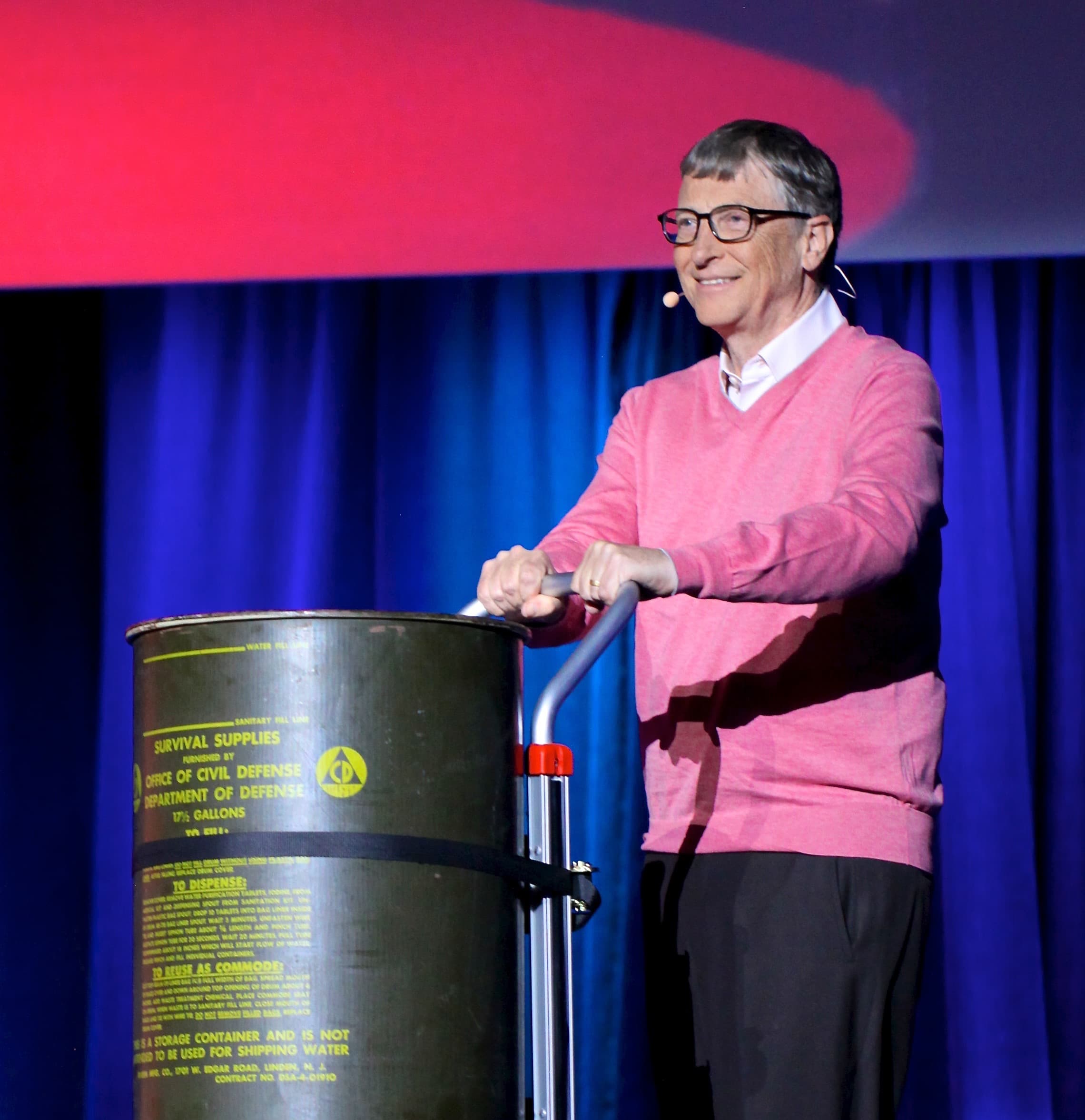
At the Reinvented Toilet Expo in Beijing on November 6, 2018, Bill Gates strode on stage holding a clear beaker of human feces to dramatize the stakes of his sanitation crusade. 'This small amount of feces could contain as many as 200 trillion rotavirus cells, 20 billion Shigella bacteria, and 100,000 parasitic worm eggs,' he told the audience, arguing that new toilets which treat waste without sewers or water represent the biggest sanitation advance in nearly 200 years. The stunt — building on the Gates Foundation's 'Reinvent the Toilet' initiative — became one of his most memorable public moments.
October 2018
The Gates Foundation awarded the Task Force for Global Health $29.97 million over five years to fund the Coalition for Operational Research on Neglected Tropical Diseases (COR-NTD). The grant supported more than 180 operational research studies with over 100 international partners in 55 countries, targeting remaining barriers to eliminating lymphatic filariasis, onchocerciasis, schistosomiasis, soil-transmitted helminths, and trachoma. COR-NTD's evidence directly informs WHO NTD programme strategy and country-level programme adaptations.
May 2018
CEPI — co-founded at Davos 2017 with a $100 million Gates Foundation contribution — awarded up to $25 million to develop HeV-sG-V, a recombinant subunit Nipah virus vaccine. In March 2020, HeV-sG-V became the first Nipah vaccine to enter Phase 1 human trials, enrolling 192 adults at Cincinnati Children's Hospital. Results confirmed dose-dependent immune responses with no serious adverse events, establishing immunogenicity proof for potential reactive deployment against a pathogen with up to 75 percent case fatality rate in humans.
February 2018
Building on its 2015 equity investment, the Gates Foundation awarded CureVac two additional grants in February 2018 — one targeting a universal influenza vaccine protective across all influenza A strains, and one targeting Plasmodium falciparum, the deadliest malaria parasite. All resulting products were required to be offered at affordable prices in low- and middle-income countries. The grants reflected the foundation's conviction that mRNA was the most versatile platform for rapid vaccine development against diseases of poverty.
2018
The Gates Foundation awarded Oxitec $4.1 million to develop a self-limiting version of Anopheles albimanus — the primary malaria vector across the Americas — for potential deployment in Central and South America, eastern Africa, and South Asia. Oxitec's self-limiting gene causes female offspring of released males to die before adulthood, suppressing wild populations without pesticides or genetic persistence. The project extended Oxitec's earlier dengue programme and addressed the malaria burden in transmission zones outside sub-Saharan Africa.
August 2018
Within nine days of the North Kivu outbreak being confirmed in the Democratic Republic of Congo on 1 August 2018, the Gates Foundation provided WHO with $2 million in fast, flexible funding to accelerate the response. The North Kivu outbreak was complicated by active armed conflict and the worst security environment any Ebola response had ever faced. It became the second-largest Ebola epidemic on record, killing more than 2,000 people. Gates funding supported emergency operations including deployment of the rVSV-ZEBOV vaccine under an expanded access protocol.
2018
The Gates Foundation is among the donors supporting World Food Programme nutrition programmes in the Central African Republic, Ethiopia and South Sudan — three countries hosting both mass refugee inflows and large internally displaced populations from ongoing conflicts. The programs target acute malnutrition in children under five and pregnant and lactating women in refugee camps and emergency-affected areas, using a combination of therapeutic and supplementary feeding. WFP's delivery infrastructure in conflict zones, combined with Gates Foundation funding for nutrition science and programme design, extended reach into areas inaccessible to most humanitarian actors.
2018
Following the success of the South Sudan, Jordan, and Kenya pilot, the Gates Foundation funded an expansion of the 'Saving Newborn Lives in Refugee Settings' program to Chad, Cameroon, and Niger — three countries hosting refugees displaced by the Lake Chad Basin crisis and the Boko Haram insurgency. In northeastern Nigeria alone, over two million people had been internally displaced; hundreds of thousands had crossed into neighbouring Chad, Cameroon, and Niger. The expanded program trained health workers, strengthened facility-level maternity care, and integrated family planning services in refugee and IDP hosting communities where formal health infrastructure had been severely degraded.
2018
Scientists at Imperial College London — funded primarily by the Gates Foundation through Target Malaria — published results demonstrating that a 'doublesex' CRISPR gene drive strain of Anopheles gambiae achieved complete population collapse in large cage trials within 7–11 generations, with no emergence of resistance. The doublesex gene disrupts a gene required for female development, producing non-biting intersex offspring. Unlike earlier gene drives, resistance did not arise because the target gene is highly conserved across mosquito populations. The results, published in Nature Biotechnology, were considered a pivotal breakthrough in the gene drive field.
2018
The Gates Foundation pledged approximately $4.1 million to Oxitec to develop a self-limiting strain of Anopheles gambiae — the primary malaria vector in sub-Saharan Africa. Unlike Oxitec's earlier work on Aedes aegypti (dengue and Zika), this program targeted the mosquito responsible for the vast majority of the world's 600,000 annual malaria deaths. The self-limiting approach — where modified males produce non-viable offspring — was designed as a complement to gene drive approaches, offering faster-acting population suppression without permanent genetic alteration of wild populations.
2018
The original Bm86 gut-protein tick vaccine (commercialised as TickGARD in Australia and Gavac in Latin America in the 1990s) showed limited efficacy against African Rhipicephalus strains due to protein sequence divergence. The Gates Foundation funded researchers in South Africa and Kenya to characterise African Bm86 variants and engineer recombinant formulations optimised for the African tick populations that threaten smallholder cattle across the continent — a critical gap left unaddressed by commercially available products.
September 26, 2018
Gates participated in the United Nations General Assembly's first-ever High-Level Meeting on Ending Tuberculosis, joining heads of state in calling for a global acceleration of TB prevention, diagnosis, and treatment. He highlighted promising M72 vaccine trial results and argued the $13 billion annual funding gap in TB response was unconscionable given that tuberculosis kills more people per year than any other single infectious disease. The meeting produced a UN Political Declaration committing member states to treating 40 million people by 2022.
2017
A 2017 Politico investigation, 'Meet the world's most powerful doctor: Bill Gates,' documented how the Gates Foundation's enormous, earmarked donations had made it one of the World Health Organization's top funders, giving an unelected private foundation outsized influence over global-health priorities. The article reported that some WHO insiders and health advocates worried Gates's money skewed the agency's agenda toward his favored initiatives — and coined the term 'the Bill Chill' for a reluctance to criticize him openly. Others feared that because the foundation's wealth comes from corporate investments, it could act as a 'Trojan horse' for business interests. The foundation and WHO defended the partnership as advancing global health, but the piece crystallized concerns about accountability.
2017
In February 2017, the Indian government severed financial ties between the Gates Foundation and its key vaccine-policy body, the National Technical Advisory Group on Immunization (NTAGI) — which the foundation had funded through a technical-support unit — over concerns about potential conflicts of interest, given the foundation's links to vaccine alliances and pharmaceutical partners. Officials told Reuters they had found no actual improper influence but acted on the 'perception' that an outside funder could sway policy, moving the program fully in-house. The episode highlighted unease about the foundation's deep, sometimes opaque influence over national health policy.
May 2017
In May 2017, the Gates Foundation funded PATH to partner with South Africa's Biovac Institute to develop a polyvalent conjugate GBS vaccine, making Biovac only the third company globally — and the first in a developing country — to pursue an original GBS conjugate vaccine. More than half of all GBS newborn deaths occur in sub-Saharan Africa. The partnership established local LMIC manufacturing capability as central to ensuring any approved vaccine reaches the mothers and newborns who need it most.
2017
In 2017, the World Mosquito Program — supported by the Gates Foundation through grants to Monash University — began large-scale releases of Wolbachia-carrying Aedes aegypti mosquitoes across Medellín, Bello, and Itagüí in Colombia's Aburrá Valley. A peer-reviewed study in PLOS Neglected Tropical Diseases found dengue incidence fell by 95–97 percent in treated areas. At peak, the Medellín factory produced 30 million Wolbachia-carrying mosquitoes per week — the largest Wolbachia mosquito factory in the world at the time.
January 2017
At the World Economic Forum in Davos, the Bill & Melinda Gates Foundation co-founded the Coalition for Epidemic Preparedness Innovations (CEPI) alongside the Wellcome Trust and the governments of Norway, Japan, Germany, and India, with $460 million in initial funding. CEPI's mandate was to fund and coordinate the development of vaccines against emerging epidemic diseases — including work that would later accelerate COVID-19 mRNA vaccine candidates — so that vaccines could be ready within 16 weeks of a new pathogen being identified.
August 2017
A World Mosquito Program facility in Medellín, Colombia — backed in part by the Gates Foundation — began releasing approximately 30 million Wolbachia-bacteria-infected Aedes aegypti mosquitoes into surrounding neighbourhoods every week. The factory-scale operation became one of the largest biological vector control programmes in history, covering entire city districts. When Aedes aegypti carry Wolbachia, they become far less able to transmit dengue, Zika, chikungunya, and yellow fever to humans. Gold-standard randomised trials in Yogyakarta, Indonesia, demonstrated a 77% reduction in dengue incidence in Wolbachia-treated areas compared to untreated areas.
2017
The Gates Foundation funded ILRI to establish a network in Kenya and Tanzania monitoring acaricide resistance in Rhipicephalus tick populations. Widespread resistance to organophosphates and synthetic pyrethroids was undermining conventional cattle-dipping programs, threatening to leave millions of smallholder farmers without affordable tick control. The network enabled local veterinary authorities to implement chemical rotation protocols before resistance became unmanageable.
2017
The Bill & Melinda Gates Foundation awarded over $1 million to Ceres Nanosciences — a Virginia-based diagnostics company — to develop its Nanotrap particle-based Lyme disease diagnostic. The Nanotrap platform concentrates biomarkers from urine samples, offering the potential for a more sensitive and specific antigen test than existing two-tier serology tests, which miss a significant proportion of early infections. Current standard Lyme diagnostics are unreliable in the first weeks after tick bite. The technology was also being evaluated for tuberculosis and Ebola diagnostics.
January 19, 2017
The Bill & Melinda Gates Foundation co-founded the Coalition for Epidemic Preparedness Innovations (CEPI) at the World Economic Forum in Davos, committing $100 million over five years alongside the governments of Norway, India, Germany, and Japan, plus the Wellcome Trust — totalling $460 million at launch. CEPI's mission was to reduce vaccine development time from roughly a decade to under twelve months for known epidemic-risk pathogens including MERS, Lassa, Nipah, Ebola, and Zika. CEPI later became a key coordinating body for COVID-19 vaccine development and the COVAX global distribution facility.
2017
The Gates Foundation was a founding partner and major funder of the Africa Centres for Disease Control and Prevention — established by the African Union in 2017 to give Africa its own scientific public health agency modeled on the U.S. CDC. Foundation funding supported the Africa CDC's disease surveillance networks, laboratory capacity, genomic sequencing infrastructure, and emergency response protocols. During COVID-19, the Africa CDC became the primary continental coordinator of testing, genomic surveillance, and vaccine rollout — demonstrating the value of the long-term institutional investment Gates had championed.
January 19, 2017
Gates co-launched the Coalition for Epidemic Preparedness Innovations (CEPI) at the World Economic Forum in Davos with co-funding from the Gates Foundation, the Wellcome Trust, and the governments of Norway, Japan, and Germany. CEPI's mission is to compress the time to develop safe vaccines against new epidemic threats from 10 years to as little as 100 days. CEPI later played a central role coordinating COVID-19 vaccine development including the Oxford-AstraZeneca and Moderna vaccines.
November 2017
Gates made a personal commitment of $100 million to Alzheimer's disease research — separate from the Gates Foundation — including a new open data-sharing initiative called the Alzheimer's Disease Data Initiative. He cited the disease's profound personal toll and the absence of any breakthrough treatment mechanism in over 15 years of intensive pharmaceutical effort as motivations. The investment aimed to break the data-sharing logjam that Gates believed was slowing research progress.
2016
In 2016, the Gates Foundation joined the Wellcome Trust, USAID, and the UK Government in committing $18 million in combined emergency funding to accelerate the World Mosquito Program's Wolbachia releases in Zika-affected countries. Funding enabled rapid scale-up in Brazil, Colombia, and other nations during the Zika outbreak. Research shows Wolbachia reduces Zika virus replication in Aedes aegypti by approximately 40–60 percent, adding a Zika-blocking layer atop the established dengue-suppression effect of the technology.
September 2016
In September 2016, the Gates Foundation awarded Target Malaria an additional $35 million after the programme published landmark research in Nature Biotechnology showing a CRISPR gene drive that eliminated caged Anopheles gambiae populations in 7–11 generations. The funding enabled Target Malaria to scale up contained cage trials in the UK and begin regulatory and community engagement in Burkina Faso, Ghana, Mali, and Uganda — required steps before any open-environment gene drive release on the African continent.
2016
The Gates Foundation supported a rapid yellow fever vaccination campaign in Angola and the Democratic Republic of Congo — the largest yellow fever emergency response in history — after an outbreak spread to 11 provinces and crossed into DRC. Over 10 days, 41,000 health workers vaccinated 14 million people using fractional-dose vaccine strategy at one-fifth the normal dose, which the WHO validated as protective. The campaign halted the outbreak and proved fractional dosing as a viable emergency strategy for future stockpile shortfalls.
2016
The Gates Foundation awarded a $38 million grant to Japan's Takeda Pharmaceutical to expand polio vaccine manufacturing capacity and support global vaccine access initiatives. The grant supported Takeda's production of inactivated poliovirus vaccine (IPV) and contributed to the stockpile maintained by UNICEF and GPEI for emergency and routine immunisation programmes in high-risk countries.
2016
The Gates Foundation and UNHCR installed a container-based sanitation system with waste-to-energy processing at Kakuma refugee camp in northwestern Kenya — one of the world's oldest and largest refugee camps, hosting over 185,000 people from South Sudan, Somalia, Ethiopia, and other countries. Sealed portable containers collected waste from toilets and were transported to a central processing facility, where the material was converted into fuel pellets. The system eliminated open defecation in target zones, reduced groundwater contamination, and produced an energy byproduct. Kakuma became a global proof of concept for industrial-scale alternative sanitation in protracted displacement settings.
2016
Gates Foundation and UNHCR piloted tiger-worm toilet technology — a biological waste treatment system using composting worms — at Jewi refugee camp in Ethiopia, which houses tens of thousands of South Sudanese refugees. The 'waste-to-value' approach decomposed faecal sludge into pathogen-free compost that could be used in camp gardens, converting a disease risk into a productive resource. The deployment produced operational best-practice guidelines later shared with the global refugee sanitation community. It represented part of the broader Gates Foundation conviction that refugee populations could benefit from the same sanitation innovation as urban slums.
2016
The Gates Foundation funded a two-year UNHCR pilot program called 'Saving Newborn Lives in Refugee Settings' across South Sudan, Jordan, and Kenya — three of the world's highest-burden refugee hosting environments. The program trained health workers, supplied equipment and medicines, and strengthened supervision and mentoring systems in camps and transit sites where newborn mortality rates were many times higher than global averages. An independent evaluation found significant improvements in the quality and coverage of maternal and newborn care at all pilot sites, triggering a subsequent expansion to additional countries.
August 2016
The Gates Foundation provided a $35 million funding extension to Target Malaria, covering three and a half years of continued gene drive research and field preparation. The funding supported development of a 'doublesex' gene drive strain at Imperial College London that, in cage trials, caused population collapse with no emergence of resistance — a critical proof of concept. It also funded community engagement programs across Burkina Faso, Mali, and Uganda, and preparation of regulatory dossiers for the first field releases of modified mosquitoes in Africa.
2016
The Gates Foundation funded ILRI researchers to produce high-resolution georeferenced distribution maps for the major tick species threatening African livestock — including Rhipicephalus appendiculatus (ECF vector), Amblyomma variegatum (heartwater vector), and Rhipicephalus microplus (babesiosis vector). The maps are used by national veterinary services and NGOs to design targeted tick-control campaigns, replacing blanket acaricide programs that accelerate resistance.
January 2016
The Bill & Melinda Gates Foundation awarded a grant of up to $20 million to Moderna Therapeutics — through its infectious-disease venture Valera — to advance an mRNA-based antibody combination aimed at preventing HIV infection. The grant funded a preclinical evaluation phase and, if successful, a first-in-human Phase 1 clinical study. The partnership included the possibility of follow-on funding bringing total potential support to $100 million across additional mRNA global health projects. Gates Foundation president of global health Trevor Mundel said Moderna's technology had 'considerable potential' for HIV prevention.
January 2016
Gates joined the Beijing Municipal Government and Tsinghua University to establish the Global Health Drug Discovery Institute (GHDDI) — China's first public-private partnership focused on developing drugs for diseases disproportionately affecting the world's poorest. GHDDI was designed as a nonprofit independent research organization targeting tuberculosis, malaria, and infectious diseases with little commercial incentive for pharmaceutical companies. Its Beijing location gave it access to China's large pool of chemistry and biology researchers and clinical trial infrastructure across Asia.
2015
In 2015, Médecins Sans Frontières (Doctors Without Borders) launched its 'A Fair Shot' campaign accusing Pfizer and GlaxoSmithKline of keeping the pneumococcal vaccine — protection against the leading infectious killer of young children — too expensive for poorer countries. MSF criticized the financing model of Gavi, the vaccine alliance co-founded and heavily funded by the Gates Foundation, arguing it subsidized the two manufacturers' duopoly and high prices rather than driving costs down, and it pressed for a price of $5 per child. After a global petition, the companies cut prices for humanitarian use in 2016. The campaign reflected broader criticism that the Gates-backed approach to global vaccination can prioritize industry interests.
2015
Gates Foundation-funded Janicki Bioenergy deployed its Omni Processor in Dakar, Senegal in 2015, a machine treating fecal sludge from 50,000–100,000 people and converting it into drinking water, electricity, and ash — eliminating costly open dumping. Bill Gates famously drank a glass of water produced by the device on camera, calling it 'delicious', and blogged about its deployment as a potential citywide sanitation model for low-income countries. The Foundation funded both R&D at the Washington State facility and the Dakar field pilot via a grant to Senegal's National Sanitation Office.
2015
The Gates Foundation awarded Johns Hopkins Bloomberg School of Public Health $525,000 to evaluate a Ceres Nanosciences nanotrap-based saliva test for malaria parasite detection. A non-invasive saliva test would transform disease surveillance in sub-Saharan Africa by enabling frequent community-level screening without blood draws or laboratory infrastructure. The team aimed to validate sensitivity and specificity under high-transmission field conditions as a prerequisite for scale.
May 2015
The Gates Foundation committed up to $75 million to establish CHAMPS (Child Health and Mortality Prevention Surveillance), a minimum 20-year project to gather rigorous, laboratory-confirmed data on why children are dying in high-mortality regions of sub-Saharan Africa and South Asia. Led by Emory University's Global Health Institute with CDC technical support, CHAMPS deploys minimally invasive tissue sampling and molecular diagnostics to determine precise causes of death in children under five — data that had never existed at population scale before. The network can be rapidly repurposed for outbreak investigation during disease emergencies.
2015
During the West Africa Ebola outbreak, Gates Foundation funding supported deployment of the B-LiFE (Biological Light Fieldable Laboratory for Emergencies), a modular tent-based BSL-3 diagnostic laboratory that operated on-site at the N'Zerekore Ebola Treatment Centre in Guinea for three months. The facility processed Ebola PCR tests in the field, eliminating transport delays to central labs and accelerating patient triage. Its deployment demonstrated a replicable model for field diagnostics in low-resource outbreak settings that has since been cited in preparedness planning for future hemorrhagic fever responses.
March 2015
The Gates Foundation helped fund the Ebola ça Suffit ring vaccination trial in Guinea — the Phase III study that proved the rVSV-ZEBOV vaccine was effective. The trial used a novel ring methodology: every contact and contact-of-contact of a confirmed Ebola case was randomly assigned to immediate or 21-day delayed vaccination. Interim results published in The Lancet in 2016 showed 100 percent vaccine efficacy in the immediate arm with no Ebola cases recorded. The findings provided the scientific foundation for deploying the vaccine — later branded Ervebo — in subsequent DRC outbreaks.
January 2015
The Gates Foundation convened an international stakeholder meeting in Berlin bringing together funders, academics, regulatory agencies, NGOs, vaccine manufacturers, and health ministries from sub-Saharan Africa and South Asia to prioritise and coordinate maternal immunisation research. The gathering focused on vaccines protecting mothers and newborns from Group B Streptococcus, respiratory syncytial virus (RSV), and influenza, and produced a roadmap for clinical development that informed subsequent investments across the field.
March 2015
The Bill & Melinda Gates Foundation committed $52 million in equity investment to CureVac, a clinical-stage German biopharmaceutical company specialising in mRNA therapeutics. The grant targeted development of mRNA-based vaccines against rotavirus, HIV, influenza, and malaria. It was one of the first major philanthropic bets on mRNA technology and helped establish CureVac as a leading European mRNA research centre years before the platform gained global attention during COVID-19.
2015
Anaplasmosis — caused by Anaplasma marginale and transmitted by Rhipicephalus ticks — causes severe anemia and high mortality in cattle across Africa. The Gates Foundation funded GALVmed to advance recombinant subunit vaccine candidates targeting the Msp1a and Msp2 surface proteins of A. marginale, with a focus on developing thermostable formulations suited to Africa's limited cold-chain infrastructure.
July 2015
The Bill & Melinda Gates Foundation sponsored a two-day international scientific meeting in Mohammedia, Morocco, which resulted in the formation of the Cattle Tick Vaccine Consortium (CATVAC). The meeting convened leading tick vaccine researchers to share antigen data, select the most promising antigen combinations for a commercial vaccine against Rhipicephalus microplus — the invasive cattle blue tick — and establish a formal collaboration. R. microplus costs billions annually through blood loss, hide damage, and transmission of babesiosis and anaplasmosis. The consortium's formation and scientific rationale were published in the peer-reviewed journal Parasites & Vectors in 2016.
March 2015
The Bill & Melinda Gates Foundation announced a $52 million equity investment in CureVac — a German biopharmaceutical company specializing in messenger RNA technology — plus $48 million in grant funding for specific vaccine development projects, totalling $100 million. The equity supported construction of a new GMP manufacturing facility. Initial vaccine programs targeted rotavirus and HIV, diseases disproportionately affecting populations in low-income countries. This was one of the earliest large institutional commitments to mRNA as a vaccine platform by any major philanthropic organization.
2015
The Gates Foundation extended its Grand Challenges program into China through a dedicated Grand Challenges China initiative, awarding competitive grants to Chinese researchers working on innovations in vaccines, diagnostics, disease vectors, and agricultural productivity for the developing world. The program recognized China's rapidly growing scientific research capacity and aimed to channel it toward neglected global health problems. Chinese grantees worked on projects including room-temperature-stable vaccines, low-cost malaria diagnostics, and drought-resilient crops for sub-Saharan Africa.
July 2015
The Gates Foundation committed more than $2 billion to the Global Financing Facility for Women, Children, and Adolescents — a multilateral initiative designed to end preventable deaths of mothers and newborns in high-burden countries by improving health financing and primary care quality. The GFF targets the 'last mile' of health delivery, reaching isolated communities in the highest-mortality countries across sub-Saharan Africa and South Asia.
2014
On March 27, 2014, the World Health Organization certified India — long considered the hardest place on Earth to stop polio — and the rest of its South-East Asia region as polio-free, after three years without a wild-virus case. The milestone capped a massive vaccination effort in which the Gates Foundation was a leading funder and partner, alongside the Indian government, Rotary, WHO, and UNICEF. Bill Gates, who had personally visited Indian immunization drives, hailed India's success as proof that global eradication was achievable.
2014
In April 2014, Bill Gates used his Gates Notes blog to launch 'Mosquito Week' — a riff on Shark Week — to spotlight the mosquito as by far the deadliest animal to humans, killing hundreds of thousands a year, overwhelmingly through malaria. A widely shared infographic ranked the mosquito's annual human death toll far above sharks, snakes, and even other people. The campaign, reflecting the Gates Foundation's heavy investment in fighting malaria, became one of his most viral public-education efforts.
2014
With Gates Foundation support, Gavi established a global emergency stockpile of oral cholera vaccine (OCV) managed by the International Coordinating Group, making doses available within 72 hours of a confirmed outbreak. Prior to the stockpile, OCV was unavailable for outbreak response due to manufacturing constraints. Gates funding helped negotiate a tiered price from EuBiologics and Shanchol producers at approximately $1.60–$1.85 per dose for Gavi-eligible countries, enabling deployment in Yemen, Zimbabwe, and DRC crises.
February 2014
The Gates Foundation became a founding non-governmental member of the Global Health Security Agenda (GHSA), a coalition of more than 70 countries and international organisations launched in February 2014 to accelerate implementation of the WHO International Health Regulations. GHSA works to build national capacity to prevent, detect, and respond to infectious disease threats — the three pillars Gates had identified as most underfunded in global preparedness. Gates Foundation support helped finance laboratory capacity assessments, biosafety training, and emergency operations centre development across GHSA member countries.
2014
The Gates Foundation and Wellcome Trust co-ordinated their Ebola research investments during the 2014–2015 outbreak, jointly financing accelerated clinical trials for vaccine candidates and therapeutic approaches. Wellcome's funding directly supported trials for the rVSV-ZEBOV vaccine (which would become Ervebo) while the Gates Foundation funded parallel tracks on diagnostics, healthcare worker training, and alternative vaccine platforms. The collaboration between the two largest private global health funders was credited with compressing timelines that would otherwise have taken a decade into a 24-month emergency sprint.
2014
The Gates Foundation funded large-scale Ebola Treatment Unit (ETU) training, safe and quality services training, and rapid response team programmes across Guinea, Liberia, and Sierra Leone during and after the 2014–2016 outbreak. The programmes trained 21,248 participants and were subsequently evaluated for their impact on healthcare worker infection rates and country response speed during subsequent public health events. Post-outbreak analysis demonstrated measurably lower healthcare worker infections and faster response mobilisation in countries where Gates-funded training had been delivered.
2014
The Gates Foundation provided $5 million to Inovio Pharmaceuticals to accelerate development of the INO-4201 DNA vaccine targeting Zaire Ebola virus and to advance Inovio's CELLECTRA electroporation delivery device, which enhances uptake of DNA vaccine constructs. In clinical studies, Inovio's Ebola vaccine demonstrated 100 percent immunogenicity. The investment also supported Inovio's broader infectious disease platform spanning HIV, Zika, and MERS, positioning electroporation as a technology Gates considered critical for rapid vaccine deployment in outbreak settings.
2014
The Gates Foundation was among the funders supporting Sabin Vaccine Institute's filovirus vaccine programme, which advanced GlaxoSmithKline's ChAd3-based Ebola vaccine candidate. Sabin received more than $110 million across public and philanthropic sources — including the Gates Foundation — to run Phase I and II clinical trials of vaccines against Ebola Zaire, Ebola Sudan, and Marburg viruses. In August 2019, GSK granted Sabin an exclusive technology licence to continue the work, anchoring a long-term filovirus vaccine pipeline independent of GSK's commercial priorities.
September 2014
As the 2014 West Africa Ebola outbreak spiralled into the deadliest in history — eventually killing more than 11,000 people across Guinea, Liberia, and Sierra Leone — the Gates Foundation committed $50 million to scale up the emergency response, on top of $10 million already disbursed. Funds were directed to WHO for emergency operations and vaccine R&D acceleration, UNICEF for support in affected countries, and CDC for incident management. The foundation also mobilised its private-sector networks to expedite diagnostic, therapeutic, and vaccine development pipelines.
2014
The Gates Foundation committed $40 million to vaccine research targeting the leading diarrheal disease killers — cholera and Shigella — which together cause hundreds of thousands of child deaths annually in low-income countries. The investment addressed a critical gap: annual global cholera vaccine manufacturing capacity at the time was roughly 4 million doses against estimated demand exceeding 20 million doses. Funding supported development of oral cholera vaccines and the Shigella conjugate vaccine programme that reached Phase III trials by the early 2020s.
2014
With Gates Foundation support, the World Mosquito Program conducted its first releases of Wolbachia-bacteria-infected Aedes aegypti mosquitoes in Bello, Colombia — the first deployment of the Wolbachia method in Latin America. Wolbachia is a naturally occurring bacterium that, when carried by the mosquito, reduces its ability to transmit dengue, Zika, chikungunya, and yellow fever by up to 77%. Unlike sterile insect or genetic approaches, Wolbachia spreads through wild populations and self-sustains — meaning releases need not be continuous. The Colombia deployment became a model for subsequent city-scale rollouts across Southeast Asia, the Pacific, and South America.
2014
Babesiosis — caused by Babesia bigemina and Babesia bovis and transmitted by Rhipicephalus (Boophilus) ticks — kills more than a million cattle annually in Africa and costs the continent billions in lost productivity. The Gates Foundation funded GALVmed to advance recombinant subunit vaccine research, aiming to replace live attenuated vaccines that carry biosafety risks and cold-chain requirements incompatible with rural African veterinary systems.
January 2014
The Bill & Melinda Gates Foundation funded an $11 million grant to an ILRI-led international consortium to develop a new or improved vaccine against East Coast fever (ECF) — a tick-transmitted disease caused by the parasite Theileria parva that kills one million cattle per year across 11 East and Central African countries, causing $300 million in annual losses. The consortium included ILRI, GALVmed, USDA-ARS, the Roslin Institute, Washington State University, and the Centre for Ticks and Tick-Borne Diseases in Malawi. The existing live vaccine required cold-chain management; the project aimed to develop a safer, more stable, and cost-effective alternative.
2013
A 2013 report by India's Parliamentary Standing Committee on Health sharply criticized HPV-vaccine 'demonstration projects' run by the U.S. nonprofit PATH with Gates Foundation funding, in which some 23,000 girls aged 10 to 14 were vaccinated in Andhra Pradesh and Gujarat in 2009. The committee found 'gross violations' of informed-consent rules — hostel wardens signed thousands of consent forms for tribal girls, witness signatures were missing, and some forms were dated after vaccination. The projects had been suspended in 2010 following the deaths of seven girls, though investigations did not establish that the vaccines caused the deaths. PATH said it had followed applicable guidelines. The case became a lasting symbol of ethical concerns about Gates-funded health research in poor communities.
2013
In 2013, Bill Gates forged a high-profile partnership with Aliko Dangote — Africa's richest man — to fight disease in Nigeria, pairing the Gates Foundation and the Dangote Foundation with northern Nigerian state governments on polio eradication, routine immunization, primary health care, and nutrition. The alliance of the world's and Africa's leading philanthropists helped push Nigeria toward eliminating wild polio (no cases since 2016). The Gates Foundation has committed roughly $1.6 billion in Nigeria — its single largest country investment in Africa.
2013
The Gates Foundation's Collaboration for AIDS Vaccine Discovery awarded a five-year $32.6 million grant to Duke University's David Montefiori to lead the Comprehensive Antibody Vaccine Immune Monitoring Consortium (CAVIMC), providing standardised testing of antibody breadth, potency, and neutralisation for HIV vaccine candidates across the global clinical pipeline. CAVIMC enables rigorous cross-trial comparison of HIV vaccine strategies and is essential infrastructure for the CAVD network spanning IAVI, Scripps Research, and Fred Hutchinson Cancer Center.
2013
In 2013, the Gates Foundation granted $10 million over five years to the CDC Foundation to create MenAfriNet, a case-based meningitis surveillance consortium covering Chad, Burkina Faso, Niger, Mali, and Togo. MenAfriNet provides real-time epidemiological data to guide WHO outbreak response and vaccination decisions across the meningitis belt. Its evidence contributed directly to the WHO 'Defeating Meningitis by 2030' global roadmap and detected the rise of MenW and MenC serogroups following widespread MenAfriVac deployment.
2013
The Gates Foundation funded PATH's respiratory syncytial virus (RSV) maternal vaccine programme, supporting the prefusion F protein antigen discovery and early clinical development work that became the scientific foundation for the first approved RSV maternal vaccines. RSV kills an estimated 100,000 children under five annually in low-income countries. PATH's Gates-funded work included immunogenicity studies in pregnant women in South Africa, Kenya, and the Philippines, building the evidence base for the WHO recommendation of RSV maternal vaccination in 2024.
2013
The Gates Foundation funded PATH to conduct a large randomised controlled trial of typhoid conjugate vaccine (TCV) efficacy, enrolling children in Nepal and Pakistan. The Nepal trial showed 81 percent efficacy and was submitted to WHO for prequalification of Bharat Biotech's Typbar-TCV — the world's first TCV approved by a stringent regulatory authority. Typhoid kills 128,000 people annually, predominantly children in South Asia and Sub-Saharan Africa where sanitation infrastructure is limited.
January 2013
The Gates Foundation negotiated a landmark price-guarantee agreement with Bayer and Merck that reduced the cost of the Jadelle levonorgestrel implant from $18 to $8.50 per unit — a 53 percent reduction — effective January 2013, available in more than 50 countries. A parallel agreement with Merck for its Implanon NXT implant generated $120 million in additional savings. Together the two agreements produced nearly $500 million in cumulative procurement savings over the guarantee term, enabling governments and NGOs to distribute millions more long-acting reversible contraceptives to women in sub-Saharan Africa who could not previously afford them.
2013
Gates met with Chinese Premier Li Keqiang in Beijing to discuss the expansion of Gates Foundation programs in China, including tuberculosis control, hepatitis B prevention, HIV/AIDS awareness, and the green super rice initiative. The meeting reflected the Foundation's recognition of China as both a program beneficiary and an increasingly important partner in developing and delivering innovations for the developing world. Li expressed the Chinese government's commitment to deepening the partnership and supporting Foundation programs across Chinese provinces.
January 2012
On January 30, 2012, the Gates Foundation announced a five-year $363 million commitment as the lead funder of the London Declaration on Neglected Tropical Diseases, signed alongside WHO, 13 pharmaceutical companies, DFID, USAID, and the World Bank. The pledge targeted control or elimination of Guinea worm, lymphatic filariasis, river blindness, trachoma, and schistosomiasis. By 2020, trachoma was eliminated as a public health problem in 10 countries and preventive treatment coverage had more than doubled across all five diseases.
2012
The Gates Foundation provided $46.1 million to Marie Stopes International (now MSI Reproductive Choices) as part of the London Summit on Family Planning commitments. Marie Stopes is one of the world's largest providers of voluntary contraceptive and reproductive health services, operating clinics and community outreach in 37 countries. Subsequent Gates-funded collaboration with Global Affairs Canada supported MSI's Smart Start programme, reaching 48 rural districts in Ethiopia with family planning outreach teams and expanding access to implants, IUDs, and injectable contraceptives for women who had never previously accessed formal health services.
2012
The Gates Foundation was a founding organiser of Family Planning 2020 (FP2020), the global partnership launched from the London Summit to expand voluntary modern contraceptive access to 120 million additional women and girls in the 69 lowest-income countries by 2020. By the partnership's close, 60 million more women were using contraception than before FP2020 launched, and 13 countries had doubled their modern contraceptive use rates. Combined FP2020 interventions were estimated to have prevented 121 million unintended pregnancies and 125,000 maternal deaths annually at peak.
July 2012
At the London Summit on Family Planning on 11 July 2012 — co-hosted by the UK government and the Gates Foundation — Melinda Gates pledged an additional $560 million over eight years, doubling the foundation's commitment to voluntary family planning and bringing its total to more than $1 billion through 2020. The summit generated $4.6 billion in total donor commitments with an explicit goal of making modern contraception available to an additional 120 million women and girls in the world's poorest countries by 2020, without coercion. The pledge was the largest single family planning commitment in the foundation's history.
2012
The Gates Foundation funded ILRI's program to train veterinarians and para-vets across Kenya, Tanzania, and Uganda in administering the East Coast Fever Infection-and-Treatment Method (ECF-ITM). The technique — deliberately infecting cattle with live Theileria parva sporozoites followed by long-acting oxytetracycline — was the only practical immunisation option before a recombinant vaccine became available. By 2012 the program was immunising over one million cattle per year, protecting smallholder farmers from a disease that kills around a million cattle annually and costs sub-Saharan Africa an estimated $300 million a year.
February 2012
The Bill & Melinda Gates Foundation (80%) and the UK Department for International Development (20%) jointly committed $51.5 million to GALVmed — the Global Alliance for Livestock Veterinary Medicines — for a five-year Phase 2 program running 2012–2017. A major focus was the East Coast fever vaccine and support for the African Union's Centre for Ticks and Tick-Borne Diseases in Lilongwe, Malawi, which produces the live Muguga cocktail vaccine against the tick-transmitted disease that kills one million cattle per year across East and Central Africa. GALVmed also worked to register and distribute vaccines for babesiosis and anaplasmosis — both tick-borne cattle diseases.
2012
By 2012 the Gates Foundation had become the second-largest contributor to the World Health Organization's budget — behind only the United States government — providing more funding than most UN member states. This gave the Foundation significant influence over WHO research priorities and program funding across malaria, tuberculosis, HIV/AIDS, polio, and vaccine delivery. Gates has argued the WHO's effectiveness depends on sustained, predictable private-sector funding alongside government contributions.
September 2012
Gates addressed world leaders at the United Nations General Assembly specifically on polio eradication, urging governments to maintain financial commitments to the Global Polio Eradication Initiative at a critical moment when transmission had been reduced to just a handful of countries. He pressed for diplomatic backing of vaccination campaigns in Pakistan, Afghanistan, and Nigeria — the remaining endemic countries — where political instability and misinformation were threatening progress. His address came as the Foundation had already committed over $1 billion to the effort.
2012
The Gates Foundation became the single largest funder of the Global Polio Eradication Initiative, committing over $4 billion toward wiping out poliovirus worldwide. Gates treated the effort as a personal mission, meeting repeatedly with heads of state to maintain immunization campaigns in high-risk regions including Afghanistan and Pakistan. Wild poliovirus cases fell by more than 99.9% from an estimated 350,000 annual cases in 1988 to fewer than 20 in recent years.
July 2011
In July 2011, the Gates Foundation launched the Reinvent the Toilet Challenge, committing over $200 million across a decade to fund off-grid, waterless, pathogen-eliminating sanitation technologies at universities including Caltech, Duke, and institutions in China. At the 2018 Reinvented Toilet Expo in Beijing, Bill Gates unveiled prototype waterless toilets and pledged an additional $200 million to support market development. The initiative targets the 2.5 billion people worldwide lacking safe sanitation and the 1,000 children under five who die daily from diseases caused by poor sanitation.
2011
The Gates Foundation's collaboration with PATH and Bharat Biotech International produced ROTAVAC, an oral rotavirus vaccine developed from an Indian virus strain and manufactured in India at $1 per dose — 99 percent less than the original Merck product. ROTAVAC was the first vaccine developed from a strain isolated from Indian children. India's Universal Immunisation Programme introduced ROTAVAC in 2016, delivering oral drops to an estimated 25 million infants annually and preventing an estimated 78,000 child deaths per year from rotavirus diarrhoea.
2011
The Gates Foundation funded PATH to support the introduction of SA 14-14-2 live attenuated Japanese encephalitis (JE) vaccine across high-burden regions of South and Southeast Asia. JE causes 68,000 cases and 17,000 deaths annually, with no approved treatment. PATH's Gates-funded programme provided immunisation programme assessments, cold-chain evaluations, and advocacy support that accelerated national JE vaccine introductions in Nepal, India, Cambodia, and Laos, and built the evidence base for WHO's prequalification of the SA 14-14-2 vaccine.
2011
Through partnerships with Indian vaccine manufacturers Bharat Biotech and Serum Institute of India, the Gates Foundation helped develop high-quality, low-cost rotavirus vaccines — Rotavac and Rotasiil — that brought the cost per dose from roughly $200 (the price of the original Merck product) to approximately $1 per dose for GAVI-eligible countries. This price reduction enabled rotavirus vaccine introduction in more than 125 countries and prevented an estimated 200,000 child deaths annually in South Asia alone.
2011
The Gates Foundation committed $17,208,219 to BRAC — the world's largest development NGO — for the BRAC WASH II program, which ran from 2011 to 2015 and scaled safe water access, improved latrines, and hygiene behaviour change across 250 sub-districts in Bangladesh. Though focused on rural Bangladeshi communities generally, the investment built BRAC's institutional capacity and infrastructure that would later be directly applied to the Rohingya refugee crisis — when over 700,000 Rohingya fleeing Myanmar arrived in Cox's Bazar from 2017 onward and BRAC became one of the primary responders.
April 2011
The Gates Foundation funded the BioCassava Plus project and nutritionally enhanced rice varieties designed to combat vitamin A deficiency — which causes blindness in hundreds of thousands of children annually and increases mortality from diarrhoea, measles, and malaria. BioCassava Plus cassava varieties expressed ten times more beta-carotene than conventional varieties, along with improved iron, protein, and virus resistance. The nutritionally enhanced rice project aimed to reach hundreds of millions of people in Asia for whom rice is a dietary staple. Both initiatives addressed malnutrition through the crops people already grow, without requiring dietary or behavioral change.
October 2011
Gates and China's Ministry of Science and Technology announced a strategic partnership in Beijing to support innovative research, development, and manufacturing of new health and agriculture products for global developing-country markets. The agreement positioned Chinese scientific capacity as a source of affordable innovation for the world's poorest, reversing the historical flow of technology strictly from rich to poor countries. The partnership prioritized vaccines, agricultural biotech, and diagnostics where Chinese manufacturers could produce high-quality products at prices accessible to the lowest-income markets.
April 2010
In 2009–2010, PATH — with funding from the Gates Foundation — ran a large HPV-vaccine 'demonstration' study in the Indian states of Andhra Pradesh and Gujarat, giving Merck's Gardasil or GSK's Cervarix to roughly 24,000 girls aged 10–14. India's Council of Medical Research suspended the project in April 2010 after the reported deaths of seven participants. Government and state investigations concluded the deaths were not caused by the vaccines (causes included drowning, snakebite, pesticide poisoning, and malaria), but a parliamentary standing committee found serious ethical irregularities — including improperly obtained consent (often signed by hostel wardens for tribal girls) and inadequate monitoring of adverse events. The case became a touchstone in debates over the ethics of foreign-funded clinical research in low-income settings.
2010
The Gates Foundation, through its long-term funding relationship with the Aeras Global TB Vaccine Foundation, supported research into inhaled tuberculosis vaccine delivery systems designed to induce mucosal and lung immunity directly at the site of TB infection. Conventional injectable TB vaccines do not produce the lung-resident T cell responses that researchers believe are necessary to prevent pulmonary disease. Aeras's inhaled delivery programme explored adenoviral vector and lipid-nanoparticle formats that could deliver antigens via aerosol or dry-powder inhalation without injection.
2010
The Gates Foundation awarded a $100,000 Grand Challenges Explorations grant to Jason Rasgon at the Johns Hopkins Malaria Research Institute to develop a pathogen that causes malaria-transmitting Anopheles mosquitoes to die after approximately ten days — shorter than the time needed for Plasmodium parasites to mature enough to be transmitted. Because the mechanism targets the mosquito rather than the parasite, it is inherently harder for resistance to evolve than with conventional insecticides or drugs.
2010
The Gates Foundation awarded Oxitec $5 million through its Grand Challenges in Global Health initiative to advance field trials of self-limiting Aedes aegypti mosquitoes for dengue and Zika suppression. The OX513A Friendly Mosquito was subsequently deployed in trials in Brazil, the Cayman Islands, and Malaysia, achieving wild population suppression exceeding 90 percent in test zones. Success of this early grant directly seeded Oxitec's broader tropical disease mosquito-control platform and informed the foundation's decade-long bet on genetic insect biocontrol.
2010
The Gates Foundation created the Collaboration for AIDS Vaccine Discovery (CAVD), funding 11 international research consortia comprising 165-plus investigators from 19 countries. The $287 million initiative was structured to foster open data-sharing between academic labs, biotech companies, and clinical networks — an approach modelled on the Human Genome Project's collaborative ethos. CAVD laboratories generated foundational insights into broadly neutralising antibodies that continue to shape HIV vaccine research to this day.
2010
Through the Grand Challenges in Global Health initiative, the Gates Foundation awarded Oxitec $5 million to develop and field-test self-limiting genetically modified Aedes aegypti mosquitoes — the primary vector for dengue fever, Zika, chikungunya, and yellow fever. Oxitec's approach releases lab-bred sterile males carrying a lethal gene: when they mate with wild females, offspring inherit the gene and die before reaching adulthood. Because no chemicals are used and the modification is self-limiting (it disappears from the environment without continued releases), the method offered a precision alternative to broad insecticide spraying in densely populated areas.
2010
Heartwater — caused by Ehrlichia ruminantium and transmitted by Amblyomma variegatum ticks — kills up to 90% of susceptible cattle, sheep, and goats. The Gates Foundation provided multi-year funding to GALVmed to advance a heartwater vaccine in partnership with Onderstepoort Biological Products in South Africa and the Université de Montpellier. Hundreds of millions of animals across West and Central Africa remain at risk, making a stable vaccine one of the highest-priority livestock disease targets on the continent.
2010
The Gates Foundation established a formal partnership with the Chinese Center for Disease Control and Prevention, leveraging China's public health infrastructure and vaccine manufacturing capacity to support global polio eradication. The collaboration deployed Chinese-produced oral polio vaccines and public health expertise to immunization campaigns in Africa and South Asia, making China one of the foundation's key implementation partners in its effort to end the disease worldwide.
2010
Gates Foundation funding helped develop and deploy MenAfriVac, a meningitis A vaccine priced at under $0.50 per dose specifically for the 'meningitis belt' across sub-Saharan Africa. Previous meningitis vaccines cost ten times as much and had not reached the region at scale. Within three years of the vaccine's introduction, meningitis A cases in the affected region fell by over 99%, eliminating epidemic waves that had devastated the region for over a century.
2009
During a 2009 TED talk on malaria, Bill Gates made his point unforgettable by opening a jar and releasing live mosquitoes into the audience, quipping that 'there's no reason only poor people should have the experience' (the insects were malaria-free). The stunt dramatized his argument that the world spends far too little on diseases that kill the poor — he noted that more money went into treating baldness than malaria. It became one of the most talked-about moments in TED's history and a hallmark of the Gates Foundation's malaria crusade.
2009
Beginning in 2009, the Gates Foundation committed $60 million to Monash University to support the World Mosquito Program (WMP), which introduces Wolbachia bacteria-carrying Aedes aegypti mosquitoes into communities to block dengue, Zika, yellow fever, and chikungunya transmission. Wolbachia prevents dengue virus replication inside the mosquito, and released populations self-sustain by displacing wild uninfected mosquitoes across breeding seasons. The programme subsequently expanded to operations in twelve countries across Asia, the Americas, and the Pacific.
June 2009
The Gates Foundation awarded $50 million over five years to Population Services International (PSI) to scale voluntary medical male circumcision (VMMC) programmes in Swaziland, Zambia, and other Southern African countries. Clinical trials had demonstrated that VMMC reduces female-to-male HIV transmission by 60 percent, making it one of the most cost-effective HIV prevention interventions available. PSI's Gates-funded VMMC programmes trained surgical teams, ran demand-generation campaigns, and achieved hundreds of thousands of procedures annually at safe government sites.
2009
The Gates Foundation partnered with Gavi to negotiate dramatically reduced prices for pneumococcal conjugate vaccines (PCV) from Pfizer and GlaxoSmithKline and fund their introduction across low-income countries. Pneumonia was killing nearly 1 million children under five annually. The Advance Market Commitment structure — co-designed by Gates advisors — guaranteed manufacturers a subsidised price for the first 200 million doses, cutting the per-dose cost from $70 to approximately $3.50 for eligible countries and triggering the fastest vaccine introduction in GAVI history.
April 2009
Gates and Chinese Health Minister Chen Zhu announced a five-year, $33 million partnership to improve tuberculosis diagnosis, treatment, and drug-resistance monitoring across China. China accounts for approximately 1.5 million new TB cases annually. The program deployed faster diagnostics and improved treatment regimens in high-burden provinces and became a model for large-scale public-private health partnerships between international foundations and the Chinese government.
2009
Gates and Melinda began publishing annual letters from the Gates Foundation reporting on the progress and challenges of their global health and development work. Modeled on Warren Buffett's annual shareholder letters, the annual letters became widely read documents in the global health and development field, covering topics from vaccine delivery logistics to teacher effectiveness to the measurement of extreme poverty. The letters have been credited with raising public awareness of neglected diseases and the progress of global health initiatives.
2008
The Gates Foundation has been a major backer of the Carter Center's decades-long campaign to wipe out Guinea worm disease, including a $40 million challenge grant in 2008 — then the largest in Carter Center history — to spur matching donations. Once afflicting millions across Africa and Asia, the parasitic disease has been driven to the verge of becoming only the second human disease ever eradicated, with cases falling to single digits. It stands among the clearest successes of Gates-funded disease-elimination work.
February 2008
In a 2008 internal memo to WHO Director-General Margaret Chan, first reported by The New York Times, the agency's malaria chief Dr. Arata Kochi warned that the Gates Foundation's enormous funding of malaria science — though vital — could carry 'far-reaching, largely unintended consequences.' Kochi wrote that many leading malaria researchers had become 'locked up in a cartel' whose interlocking grants made independent peer review increasingly difficult, that the foundation's dominance could erode the WHO's policy-setting role, and that its decision-making was 'a closed internal process… accountable to none other than itself.' The leaked memo became one of the most cited critiques of concentrated power in global-health philanthropy; the foundation said it welcomed scientific debate and valued the WHO's role.
December 2008
On December 5, 2008, the Gates Foundation announced a $40 million challenge grant — the largest in Carter Center history — comprising an $8 million outright gift and a 1:1 matching grant of up to $32 million for the Guinea Worm Eradication Program. At the time, fewer than 5,000 cases remained globally. The grant accelerated surveillance, water treatment, and case containment; only 13 human cases were reported worldwide in 2022 — down from 3.5 million in 1986 — making Guinea worm the first parasitic disease on the verge of eradication without a vaccine or medicine.
2008
The Gates Foundation's Grand Challenges in Global Health programme funded multiple research teams investigating oral and edible vaccine delivery — administering vaccine antigens through consumption of biofortified plants or food products rather than injections. Funded projects included heat-stable oral vaccine formulations, plant-expressed antigen production, and mucosa-stimulating adjuvant delivery in food matrices. These early-stage grants positioned the foundation as the primary funder of needle-free and food-matrix vaccine delivery research globally.
2008
In 2008, PATH and the Serum Institute of India began a Gates Foundation-funded collaboration to develop PNEUMOSIL, a 10-valent pneumococcal conjugate vaccine (PCV10) targeting the serotypes responsible for greatest child mortality in Africa, Asia, and Latin America. PNEUMOSIL received WHO prequalification in December 2019 at approximately $2 per dose — roughly 30 percent less than competing PCV products from Pfizer and GSK — and was the first pneumococcal vaccine developed specifically for high-burden rather than high-income markets.
September 2008
Bill Gates announced $168 million in new grants to develop a second generation of malaria vaccines beyond RTS,S, funding researchers exploring novel antigen targets, adjuvant combinations, and transmission-blocking approaches designed to achieve efficacy levels exceeding the 30–40% range of first-generation candidates. The investment reflected a long-term strategy: accepting that RTS,S alone would not be sufficient for eradication and funding the pipeline that would be needed a decade later. The grants supported teams at institutions across Africa, Europe, and North America.
2007
Beginning in 2007, the Gates Foundation forged a landmark fundraising partnership with Rotary International, whose volunteers had championed polio eradication through the PolioPlus program since 1985. Through repeated matching challenges — at times two foundation dollars for every Rotary dollar — the alliance has channeled well over $2 billion toward the Global Polio Eradication Initiative. The Gates–Rotary match became a model of leveraged philanthropy and a financial backbone of the campaign that has cut polio by more than 99% worldwide.
October 17, 2007
At an international Malaria Forum co-organized with WHO Director-General Margaret Chan, Bill Gates delivered a landmark speech calling for nothing less than the complete global eradication of malaria. The speech was widely credited with fundamentally reorienting the global health community's ambition — from managing malaria to eliminating it. Governments, multilateral organizations, and researchers shifted funding and research priorities accordingly. Gates stated: 'We need to chart a new course. We must make a plan to eliminate malaria.' The day is now regarded as a turning point in the modern malaria eradication movement.
November 2007
The Bill & Melinda Gates Foundation committed $50 million to HIV/AIDS prevention in China, targeting high-risk populations including injection drug users, sex workers, and migrant workers. The program partnered with the Chinese government and domestic NGOs to expand harm reduction services, voluntary testing, and treatment access in provinces with high HIV prevalence. It was among the foundation's earliest and largest China health commitments.
2007
The Bill & Melinda Gates Foundation formally opened its China office in Beijing, establishing a permanent institutional base for health and agricultural development programs. Over subsequent years the foundation committed more than $377 million across 271 grants in China — primarily focused on infectious disease control, agricultural productivity, and tuberculosis. The office became the primary hub for coordinating with Chinese government agencies, universities, and international NGOs operating in the country.
December 2006
In December 2006, the Gates Foundation announced five grants totalling $46.7 million to the Carter Center, Imperial College London, and the Task Force for Child Survival and Development to coordinate integrated mass drug administration against trachoma, lymphatic filariasis, onchocerciasis, schistosomiasis, and soil-transmitted helminths. The grants supported coordinated operational research across more than 20 countries and established the evidence base for the integrated NTD delivery model subsequently adopted by WHO as its global standard approach to controlling all five diseases simultaneously.
June 2006
The Gates Foundation awarded PATH a five-year, $27.8 million grant to conduct HPV vaccine demonstration programs in India, Peru, Uganda, and Vietnam. The project generated the evidence base governments in low-income countries needed to introduce HPV vaccines and developed delivery strategies for reaching adolescent girls without schools-based health infrastructure. GSK and Merck provided vaccines for the demonstration projects, which were the first large-scale HPV vaccination programs outside high-income countries.
July 2006
The Gates Foundation awarded $40 million to the Fred Hutchinson Cancer Center in Seattle to accelerate HIV vaccine research through the HIV Vaccine Trials Network (HVTN). The grant enabled HVTN to conduct Phase I, II, and III clinical trials across 20-plus countries, recruiting tens of thousands of participants in the highest-prevalence regions. HVTN became the largest publicly funded HIV vaccine trial network in the world, and the Fred Hutch collaboration became a cornerstone of Gates's long-term HIV vaccine strategy.
2006
The Gates Foundation invested over $190 million to develop the rotavirus vaccine and ensure its rollout in developing countries, where the virus killed approximately 500,000 children annually from severe diarrheal disease. The Foundation worked to negotiate lower vaccine pricing for low-income markets and funded delivery infrastructure to reach rural communities. By 2023 the vaccine had reached over 100 countries and is credited with preventing hundreds of thousands of child deaths every year.
2005
The Gates Foundation awarded $9 million to a research consortium led by Germany's GBF and the Institut Pasteur in Paris for hepatitis C and HIV vaccine development, selected from more than 1,500 applications across 75 countries in the Grand Challenges in Global Health competition. The project used humanised mouse models to study HCV infection and vaccine-mediated immune responses. This was among the foundation's earliest investments in hepatitis C vaccine science for a disease affecting 58 million people globally for which no vaccine yet exists.
2005
The Gates Foundation provided foundational and cumulative grant funding totalling $75 million to Target Malaria, a non-profit research consortium based at Imperial College London, to develop CRISPR-based gene drive technology for malaria mosquito control. Target Malaria installs a gene drive into Anopheles gambiae mosquitoes that renders females sterile, spreading the modification through wild populations faster than natural inheritance. The foundation's investment made Target Malaria the best-funded gene drive programme in the world.
October 2005
The Gates Foundation awarded $107.6 million to PATH's Malaria Vaccine Initiative to advance RTS,S — the malaria vaccine candidate developed with GlaxoSmithKline — through large-scale Phase III clinical trials across African research centres. Gates ultimately contributed more than $200 million to the project. In 2021 the WHO endorsed RTS,S as the world's first malaria vaccine, and by 2023 over 2 million children in sub-Saharan Africa had received at least one dose, marking one of public health's most sought-after milestones.
2005
With foundational Gates Foundation funding, Target Malaria was established as an international research consortium headquartered at Imperial College London. Its mission: develop and deploy gene drive technology to reduce or eliminate populations of Anopheles gambiae — the primary malaria-transmitting mosquito — across sub-Saharan Africa. Over its lifetime, Target Malaria received the majority of its $173 million budget from the Gates Foundation. It represented the most ambitious genetic intervention in vector control history, blending molecular biology, field ecology, regulatory science, and community engagement across multiple African countries.
2005
A Gates Foundation-supported international consortium — including ILRI, the Wellcome Sanger Institute, the USDA, and the NIH — published the complete genome sequence of Theileria parva in Science magazine in 2005. The genome enabled researchers to map all candidate antigens for a subunit vaccine that could replace the live ECF-ITM approach, reducing biosafety risks and enabling mass production. The publication is regarded as the foundational step toward a designed, commercialisable ECF vaccine.
2005
The Gates Foundation funded new polio vaccine development through the WHO's Eastern Mediterranean office to accelerate eradication in the remaining endemic regions of South Asia and the Middle East, where the standard oral polio vaccine faced reduced efficacy due to high gut-pathogen competition and inadequate sanitation. The funding supported development and testing of new formulations and delivery strategies for the final eradication push in Pakistan, Afghanistan, and northern India.
2005
The Gates Foundation committed $258.3 million for malaria research and development in 2005 — one of the largest single private investments in malaria ever made. The funding supported vaccine development, new drug discovery, insecticide research, and improved diagnostics. Gates argued that malaria was one of the most solvable large-scale health problems given that the parasite had already been eradicated from Europe and North America in the twentieth century, and that the remaining burden was concentrated in low-income countries that lacked the resources to apply existing interventions at scale.
2004
In 2004, the Gates Foundation co-funded the Pediatric Dengue Vaccine Initiative (PDVI), hosted at the International Vaccine Institute and implemented with PATH and WHO, to accelerate dengue vaccine development. PDVI provided Sanofi Pasteur with epidemiological and immunological data supporting clinical development of CYD-TDV, which became Dengvaxia — the first licensed dengue vaccine in 2015. Dengue infects 390 million people annually, with the burden falling disproportionately on children in tropical regions.
February 2004
The Gates Foundation awarded $82.9 million to the Aeras Global TB Vaccine Foundation, described at the time as the largest-ever single grant for tuberculosis vaccine research. The funding more than doubled global annual TB vaccine R&D spending and enabled Aeras to run clinical trials of multiple vaccine candidates in South Africa, Uganda, and other high-burden countries. The grant established TB vaccine development as a serious biomedical priority after decades of neglect.
2004
The Gates Foundation awarded $35 million to Zambia's national malaria control program to scale up insecticide-treated bed net distribution and expand access to artemisinin-based combination therapy across the country. Zambia served as a test case for whether a comprehensive national malaria program could achieve dramatic reductions in transmission by simultaneously deploying multiple interventions. The program contributed to a significant reduction in malaria deaths in Zambia over the following decade.
2004
The Gates Foundation awarded $82.9 million to the International AIDS Vaccine Initiative (IAVI) to accelerate research toward an effective HIV vaccine. HIV remained one of the most scientifically challenging vaccine targets due to its rapid mutation and ability to evade immune responses. The grant was one of the largest single private contributions to HIV vaccine research at the time, supporting clinical trials of novel vaccine candidates across Africa and Asia where HIV burden was highest.
2004
The Gates Foundation provided $107.6 million to the PATH Malaria Vaccine Initiative to advance GlaxoSmithKline's RTS,S malaria vaccine candidate through clinical trials in Africa. The investment was essential to sustaining a program that lacked sufficient commercial return to attract pharmaceutical funding at scale. This long-term commitment culminated in the WHO's 2021 recommendation of Mosquirix — the world's first vaccine against any parasitic disease — following Phase 3 trials in over 15,000 children across seven African countries.
2004
At the G8 summit, Gates pledged an additional $50 million to the Global Fund to Fight AIDS, Tuberculosis and Malaria, bringing the Foundation's total contribution to $150 million. The announcement was strategically timed to pressure the world's eight largest economies to match or exceed private philanthropic contributions at the summit. The Global Fund has since grown into the world's largest multilateral health financing institution, disbursing over $60 billion and saving an estimated 50 million lives.
2003
A major setback struck the global polio-eradication campaign — which the Gates Foundation funds more heavily than almost any other donor — when several northern Nigerian states boycotted the oral polio vaccine from 2003 to 2004. Influential local figures spread false, unfounded rumors that the vaccine was contaminated to cause infertility or spread HIV; distrust was compounded by an earlier Pfizer drug-trial scandal in Kano. The roughly year-long boycott let polio surge in Nigeria and re-infect more than a dozen previously polio-free countries — a stark example of how misinformation can derail even well-funded global-health efforts.
September 2003
The Gates Foundation committed $168 million across three concentrated malaria research grants covering vaccine development, new drug candidates, and innovative mosquito control. The investment helped catalyse a near-sixfold increase in global malaria funding over the decade that followed — with malaria cases and deaths beginning to fall substantially from 2005 onward for the first time in decades. Researchers credited the influx of private philanthropic capital with re-energising a field that had been chronically underfunded relative to its disease burden.
2003
The Gates Foundation partnered with the World Health Organization on a tuberculosis drug research program to accelerate development of new treatments for drug-resistant TB strains. The collaboration targeted multidrug-resistant tuberculosis (MDR-TB), which was spreading across Eastern Europe, Central Asia, and sub-Saharan Africa while resisting existing antibiotic regimens. The partnership helped re-establish TB drug discovery as a viable research field after decades of pharmaceutical industry disinvestment from diseases concentrated in low-income populations.
2003
The Gates Foundation invested in large-scale water, sanitation, and hygiene (WASH) behavioral change programs — particularly handwashing with soap — backed by evidence that this single intervention is among the most cost-effective public health measures available. Research supported by the Foundation found that promoting handwashing with soap at critical moments (after defecation, before food preparation) reduced childhood diarrheal disease incidence by up to 47% and pneumonia by 23%. The Foundation funded community health worker programs, school WASH curricula, and marketing campaigns in India, Africa, and South Asia that normalized handwashing as a daily health practice.
January 2003
The Gates Foundation committed $200 million to launch Grand Challenges in Global Health, a competitive program challenging scientists worldwide to solve 14 fundamental scientific problems in global health that had been neglected due to lack of commercial incentive. The program funded 43 research teams across 33 countries working on projects including single-dose vaccines that require no refrigeration and new methods for controlling disease-carrying mosquitoes. It has since expanded into hundreds of challenges and spawned thousands of funded projects.
July 2002
The Gates Foundation awarded $30 million to Imperial College London to establish the Schistosomiasis Control Initiative (SCI), the first large-scale programme to deliver praziquantel mass drug administration across six African countries — Uganda, Tanzania, Burkina Faso, Mali, Niger, and Zambia. Led by Professor Alan Fenwick, SCI partnered with WHO and Harvard School of Public Health to design evidence-based treatment protocols targeting the 200 million people infected with schistosomiasis globally. SCI's model became the template for integrated NTD programmes worldwide.
2002
The Gates Foundation launched comprehensive HIV/AIDS prevention grant programs across sub-Saharan Africa, with commitments ultimately exceeding $350 million. The program funded HIV vaccine research, behavior-change communication campaigns, prevention of mother-to-child transmission, and expanded access to antiretroviral therapies. These investments were among the largest private contributions to the HIV/AIDS response and helped establish the evidence base and delivery infrastructure that later informed PEPFAR — the U.S. government's landmark $15 billion AIDS initiative.
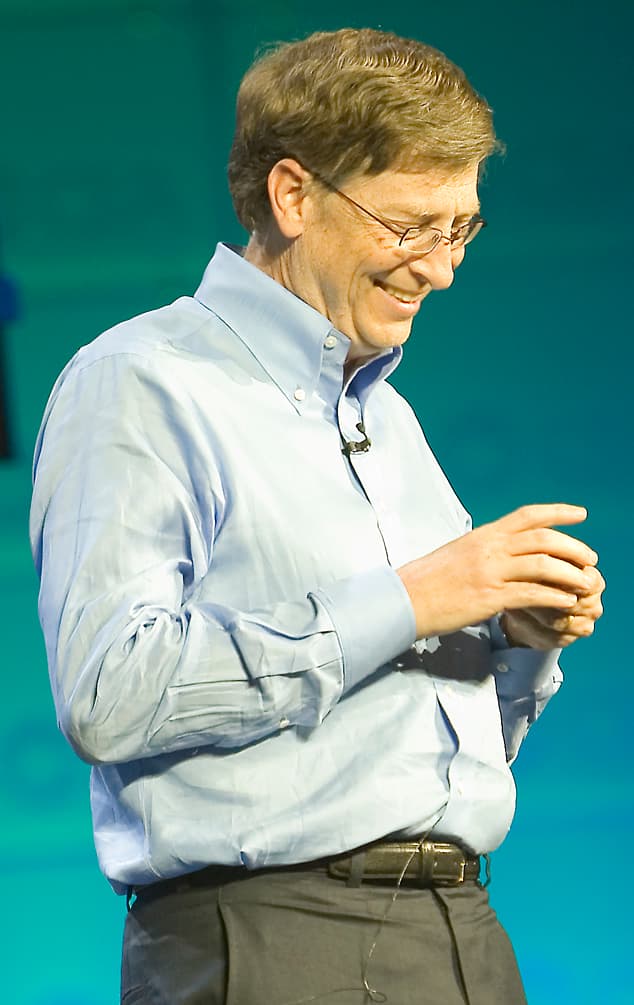
2002
Between 2002 and 2007, GAVI — with major Gates Foundation funding — partnered with the Chinese government on a $76 million project to scale up hepatitis B vaccination in rural China. At the time China had one of the world's highest hepatitis B carrier rates, with over 10% of the population chronically infected. The campaign expanded vaccine coverage in the least-served rural provinces and helped shift national hepatitis B vaccination rates toward near-universal coverage, preventing an estimated 800,000 liver cancer deaths over subsequent decades.
May 2002
Gates addressed heads of state at the United Nations General Assembly Special Session on Children in New York, calling for dramatically increased resources and political commitment to reduce preventable childhood deaths. He highlighted the Gates Foundation's work on vaccines, malaria, and maternal health as proof that targeted philanthropic investment could achieve rapid, measurable progress when combined with government commitment. His address helped focus international attention on the role of private philanthropy in complementing government development aid.
2002
The Gates Foundation provided critical early funding to help establish the Global Fund to Fight AIDS, Tuberculosis and Malaria, which became the world's largest multilateral health financing institution. The Foundation went on to become the Global Fund's largest private donor, contributing over $2.6 billion through 2023. The Global Fund estimates it has saved approximately 50 million lives since its founding.
2001
The Gates Foundation supported PATH's Uniject programme, funding field deployment of the Uniject prefilled, single-dose injection device for hepatitis B birth-dose vaccination in Indonesia, Senegal, and other countries. The Uniject device requires no vial, no syringe assembly, and no reconstitution — enabling community health workers with minimal training to safely administer vaccines in homes and village settings without cold chain access at the time of delivery. PATH estimated Uniject-based hepatitis B birth-dose programmes prevented an estimated 5.5 million deaths over 20 years.
2001
The Gates Foundation co-created the Measles Initiative — later renamed the Measles and Rubella Initiative — with the American Red Cross, CDC, UNICEF, and WHO, mobilising over $200 million to fund vaccination campaigns across more than 40 African and 3 Asian countries. The initiative reduced global measles deaths by 99 percent in its first decade of operation. Gates funding also supported development of a microneedle patch delivering measles-rubella vaccine without refrigeration or needles, tested in The Gambia.
May 2001
The Gates Foundation awarded $70 million over ten years to establish the Meningitis Vaccine Project — a joint venture of PATH and WHO — to develop, license, and introduce a low-cost Group A meningococcal conjugate vaccine (MenAfriVac) specifically for the sub-Saharan meningitis belt. The vaccine was introduced in Burkina Faso in 2010 at $0.50 per dose and was the first vaccine manufactured specifically for Africa. By 2016, more than 260 million people across 21 African countries had been vaccinated, virtually eliminating epidemic Group A meningitis from the continent.
January 2001
The Gates Foundation, through a grant to the PATH Malaria Vaccine Initiative (MVI), entered a landmark public-private partnership with GlaxoSmithKline Biologicals to fund and develop the RTS,S malaria vaccine — the first vaccine candidate ever to reach advanced clinical trials against a parasitic disease. Over the following 13 years, the MVI invested more than $200 million in the project. The collaboration represented a new model for global health: private philanthropy absorbing the commercial risk that pharmaceutical companies could not justify for a disease affecting primarily the world's poorest populations.
2001
Following GAVI's first grant approvals, the first GAVI-funded vaccines were delivered to African countries, made possible by cold-chain and supply infrastructure that Gates Foundation funding had helped build. The milestone translated philanthropic commitments into actual immunization coverage, reaching children in communities previously excluded from global vaccination programs due to cost and distribution barriers. The infrastructure built in this period later served as a backbone for COVID-19 vaccine rollout across the continent.
2001
GAVI, the Vaccine Alliance — established with $750 million in Gates Foundation seed funding — approved its first round of grants to 36 of the world's poorest countries, representing over $600 million in five-year immunization commitments. The grants covered new and underused vaccines including Hepatitis B, Hib, and yellow fever. The rollout marked the largest coordinated international expansion of child immunization coverage in history and directly demonstrated the impact of Gates's founding investment in the alliance.
January 2001
Gates delivered a major speech at the World Economic Forum in Davos outlining the Gates Foundation's strategic priorities — global vaccines, tuberculosis, HIV/AIDS, and maternal health — and making the case for philanthropic capital to fill gaps that markets and government aid were leaving in global public health. The speech established Gates as a leading voice at Davos on development issues and began his long-running annual presence at the forum, bridging the technology, business, and global health communities.
January 2000
The Bill & Melinda Gates Foundation made an initial $750 million commitment to establish the Vaccine Fund — the financial engine that became Gavi, the Vaccine Alliance — at the World Economic Forum in Davos. The pledge was the largest single philanthropic donation for vaccines in history at the time. By 2024, cumulative Gates Foundation contributions to Gavi had exceeded $4.1 billion, helping immunise nearly 1 billion children and preventing an estimated 18 million deaths.
2000
In its first full year as the merged Bill & Melinda Gates Foundation, the organization disbursed over $554 million in global health grants — a level of single-year philanthropic spending unprecedented among private charitable foundations at the time. The disbursements funded vaccine development, malaria control, HIV/AIDS prevention, and maternal health programs in low-income countries. The scale of giving immediately repositioned the Foundation as one of the most influential non-governmental actors in global public health.
2000
Gates traveled to New Delhi to visit vaccination clinics and personally support the final phase of India's polio eradication effort. The visit drew significant media attention to the campaign and demonstrated the Gates Foundation's hands-on engagement beyond grant-making. India was one of the last strongholds of wild poliovirus, and Gates's direct involvement helped maintain political will and donor momentum. India was ultimately declared polio-free in 2014 — one of the Gates Foundation's proudest achievements.
January 2000
The Global Alliance for Vaccines and Immunization (GAVI) was formally launched at the World Economic Forum Annual Meeting in Davos with a founding pledge of $750 million from the Gates Foundation — the largest single philanthropic commitment to vaccines in history at that time. The launch at Davos brought together WHO, UNICEF, the World Bank, national governments, and pharmaceutical companies under a single funding umbrella, signaling that public-private partnership was the new model for tackling global health. GAVI has since immunized more than one billion children and saved nearly 19 million lives.
2000
The Gates Foundation provided $750 million in seed funding to establish GAVI, the Vaccine Alliance — a public-private partnership designed to increase access to vaccines in the world's lowest-income countries. The investment catalyzed contributions from governments, the WHO, UNICEF, and pharmaceutical companies. GAVI has since immunized over one billion children and is estimated to have saved more than 17 million lives.
1999
In 1999, the Gates Foundation committed $1.18 billion in global health grants — a single-year total exceeding the annual public health budgets of many mid-sized nations. The unprecedented scale of philanthropic commitment galvanized governments and multilateral institutions to increase their own investments in diseases primarily affecting low-income countries. This year's grants heavily seeded the founding commitments to GAVI, polio eradication, malaria research, and tuberculosis drug development.
1999
The Gates Foundation committed $50 million to the global campaign to eradicate polio, contributing alongside a $28 million donation from Ted Turner's UN Foundation. The combined pledges provided critical momentum for the Global Polio Eradication Initiative at a time when the effort needed sustained funding to push the disease from its remaining strongholds in South Asia and sub-Saharan Africa. It was among Gates's earliest major philanthropic commitments and established the Foundation's focus on measurable, winnable global health goals.
[RELATED_SUBFILES] · ls ../
node: archive-01 · link: encrypted · uptime: 99.98% · mirror: active
— EOF · nothing here is hidden, only documented —