$ cat ./records/gates-foundation-becomes-the-whos-second-largest-funder-surpassin-2012.txt
Gates Foundation becomes the WHO's second-largest funder, surpassing most member governments
[RECORD.TXT] · cat --full
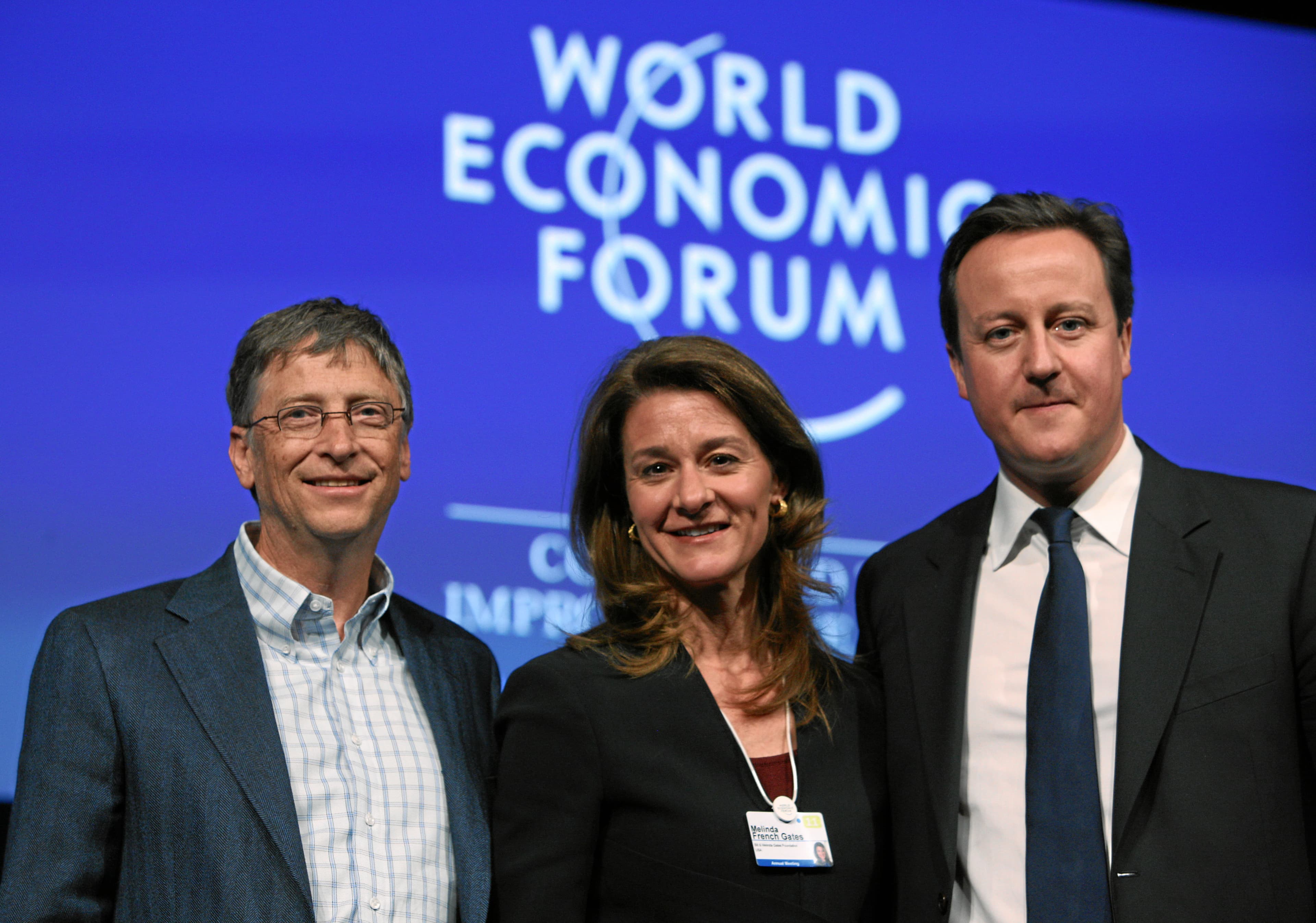
By 2012 the Gates Foundation had become the second-largest contributor to the World Health Organization's budget — behind only the United States government — providing more funding than most UN member states. This gave the Foundation significant influence over WHO research priorities and program funding across malaria, tuberculosis, HIV/AIDS, polio, and vaccine delivery. Gates has argued the WHO's effectiveness depends on sustained, predictable private-sector funding alongside government contributions.
Source: https://www.gatesfoundation.org/our-work/programs/global-health
Free forever · No ads · Solo developer
If this was worth a read, help make the next entry possible.
Every entry in this archive was researched, verified, and written by one person — for free. No corporate funding. No ad revenue. Just a developer who believes verified history should be accessible to everyone. Your donation directly funds new entries.
Crypto accepted · No subscription required
← Previous
Solar-powered toilet generating hydrogen and electricity showcased at first Reinvent the Toilet Fair
Next →
Delivered UN General Assembly address on global polio eradication
[CROSS_REFERENCES] · grep --category='Global Health'
Related Accomplishments
January 2026
Gates-backed World Mosquito Program reaches 16 million people protected from dengue via Wolbachia method
The World Mosquito Program — backed in part by the Gates Foundation — announced in January 2026 that its Wolbachia-infected mosquito releases had reached over 16.1 million people across multiple countries, including Colombia, Indonesia, Brazil, Sri Lanka, Fiji, Vanuatu, and Vietnam. Wolbachia-carrying Aedes aegypti mosquitoes — which block dengue, Zika, chikungunya, and yellow fever transmission — had established self-sustaining populations in treated cities without requiring ongoing releases. Gold-standard randomised trials in Indonesia showed a 77% reduction in dengue incidence. The program represented one of the largest and most cost-effective vector control deployments in history.
2025
Gates-Funded Monoclonal Antibody Shows Early Promise as a Single-Shot Malaria Shield
[ARCHIVE_FUNDING] · INDEPENDENT · NO ADS
One developer. >300 verified entries. Zero ads. Forever free.
No sponsors, no paywall, no algorithm. If this archive has been useful to you, reader support is what keeps it running.